For Those About To Cook

  • Home
  • About Us
  • All Recipes
  • Subscribe
menu icon
go to homepage
  • Home
  • About Us
  • All Recipes
  • Subscribe
    • Facebook
    • Instagram
    • Pinterest
  • search icon
    Homepage link
    • Home
    • About Us
    • All Recipes
    • Subscribe
    • Facebook
    • Instagram
    • Pinterest
  • ×
    Home

    Shredded (Chipotle) Chicken Enchiladas

    August 25, 2025 By Joe

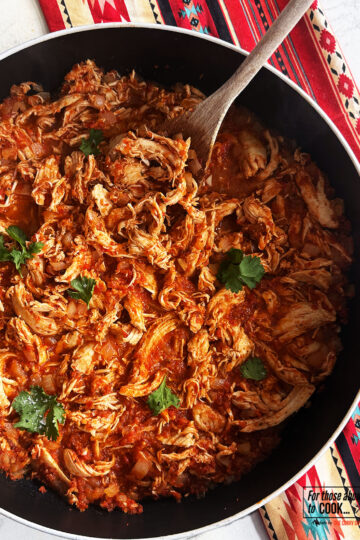
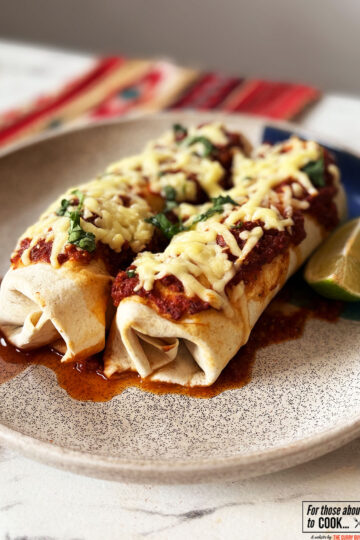
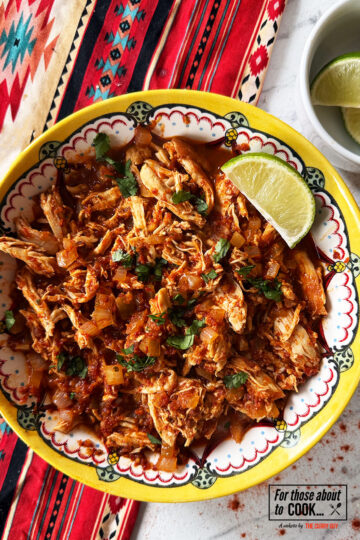
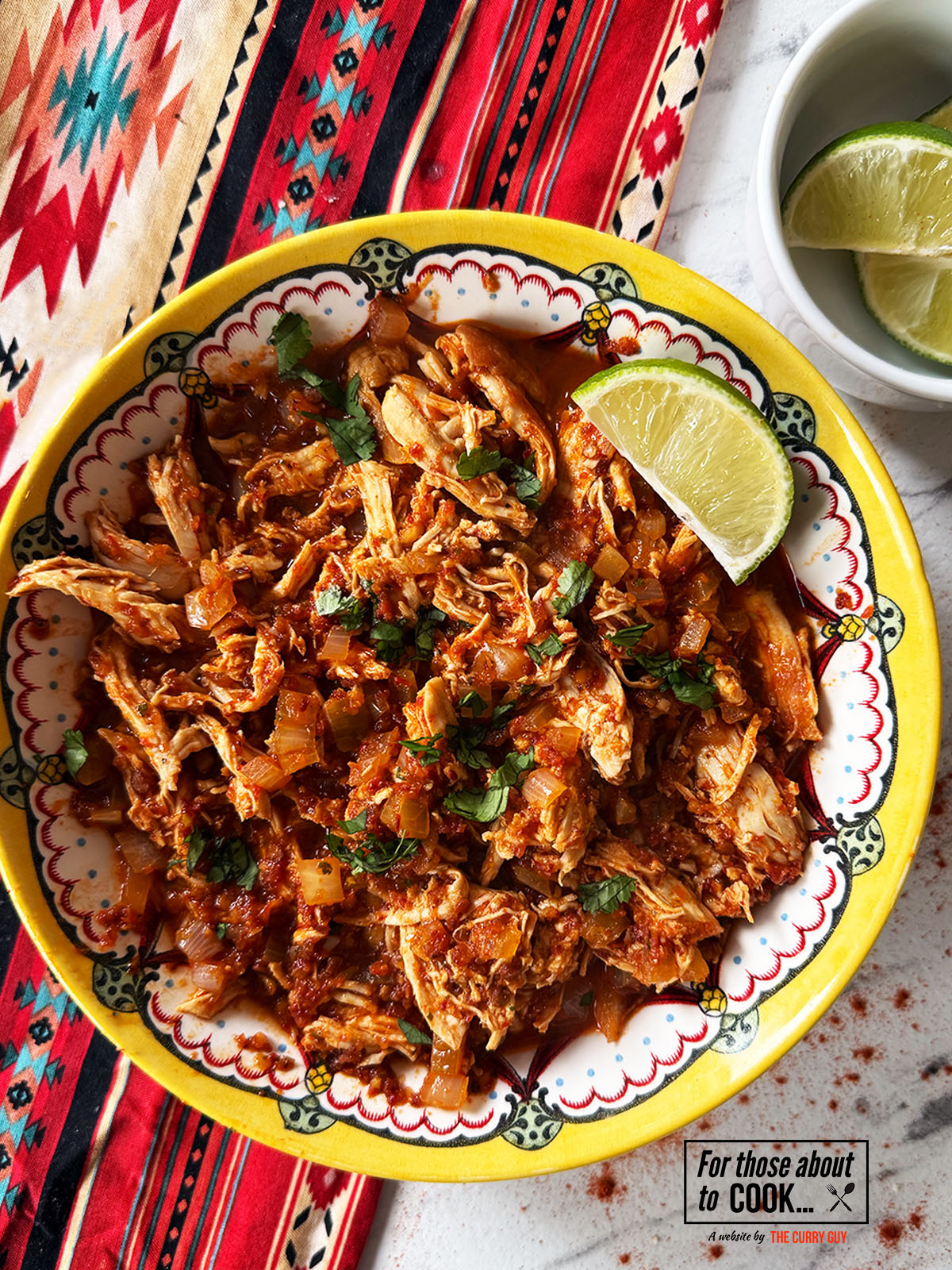
    shredded chipotle chicken enchiladas

    Smoky, cheesy and just the right amount of spicy! These Shredded Chicken Enchiladas are the ultimate comfort food.

    They’re quick to put together, easy to make your own and perfect for a busy weeknight dinner or a casual weekend treat. Serve them with your favorite dip such as Guacamole, Pico de Gallo, Salsa de Aguacate or Chipotle Mayo

    shredded chipotle chicken enchiladas

    About This Shredded Chicken Enchiladas Recipe

    This Shredded Chicken Enchiladas recipe takes simple ingredients and turns them into something delicious. The chicken is first poached until juicy and ready to pull apart, then tossed in a smoky chipotle sauce. The chicken is filled into soft flour tortillas with plenty of sharp cheddar (or your favorite melting cheese). As the enchiladas cook, the tortillas turn golden and crisp on the outside while the cheese melts into the chicken on the inside. The ultimate comfort food.

    They’re quick to make and extremely versatile. You can keep them simple with chicken and cheese or load them up with extras like peppers, onions, or sweetcorn. Have fun with this recipe and make it your own.


    Ingredients

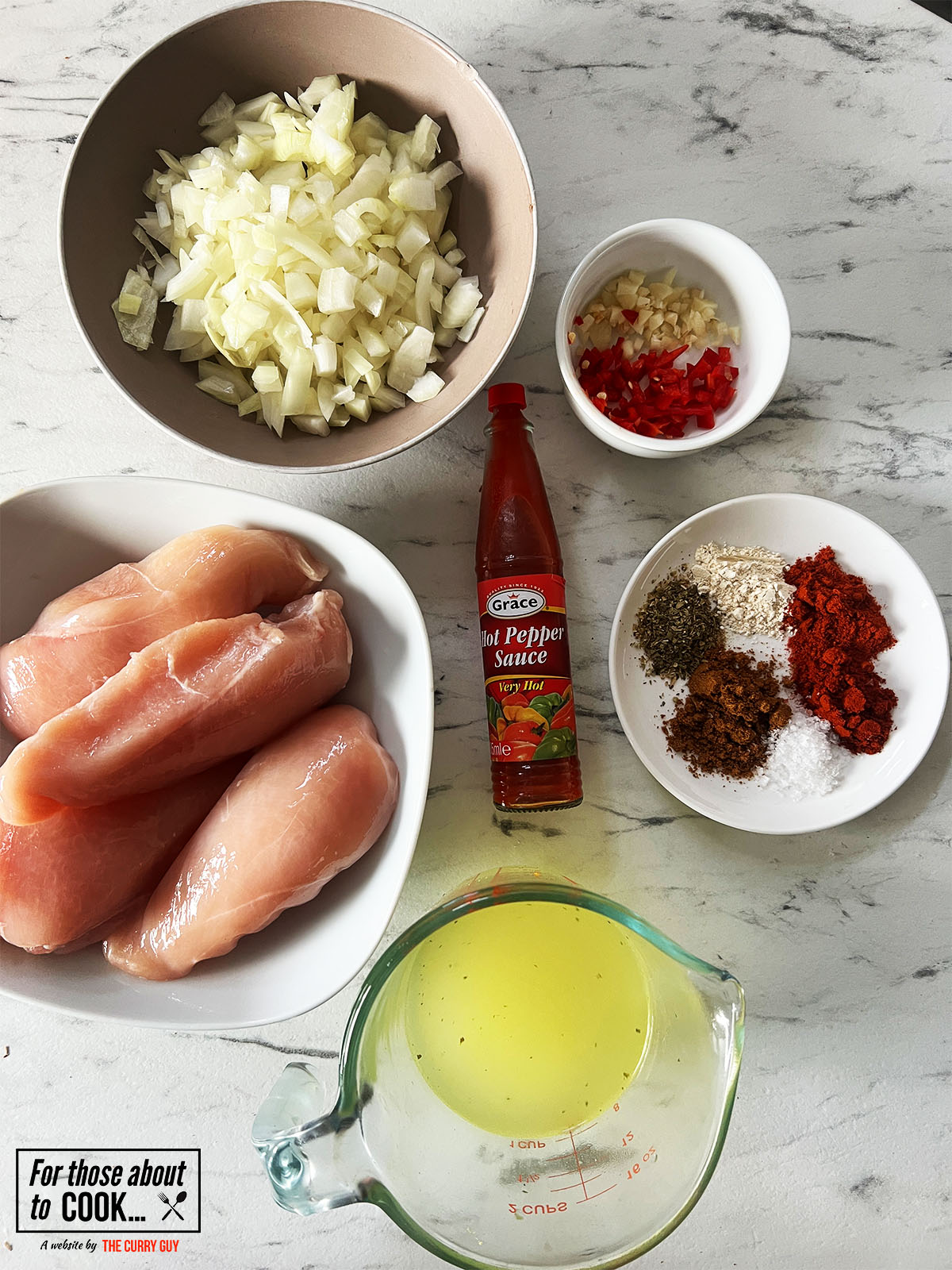
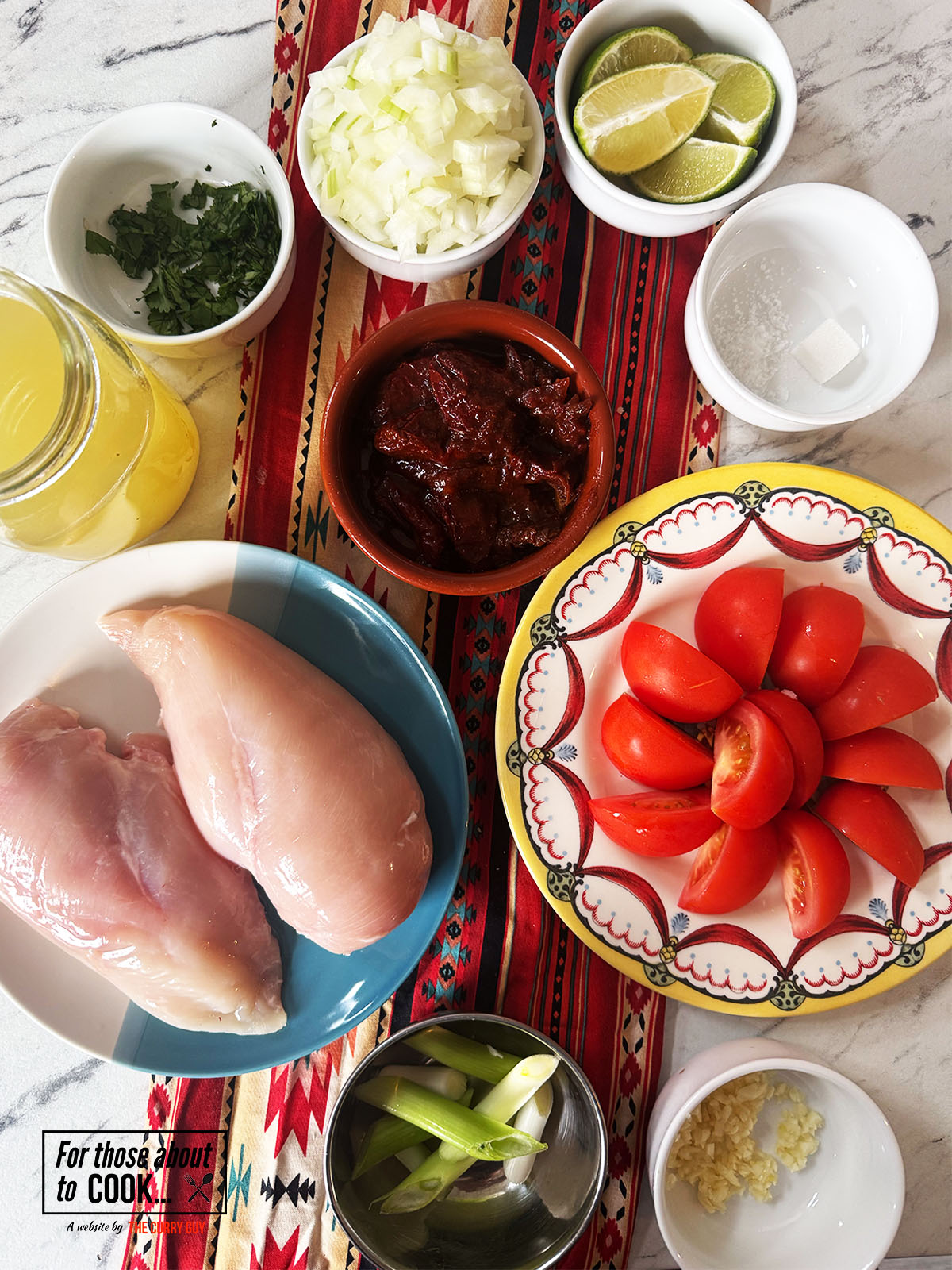
    Using the freshest ingredients in this Shredded Chicken Enchiladas recipe makes all the difference. Below, you will see the ingredients laid out along with a list. Exact measurements and quantities can be found in the recipe card at the bottom of this page. Make sure to have everything ready and prepared before you start cooking for best results.
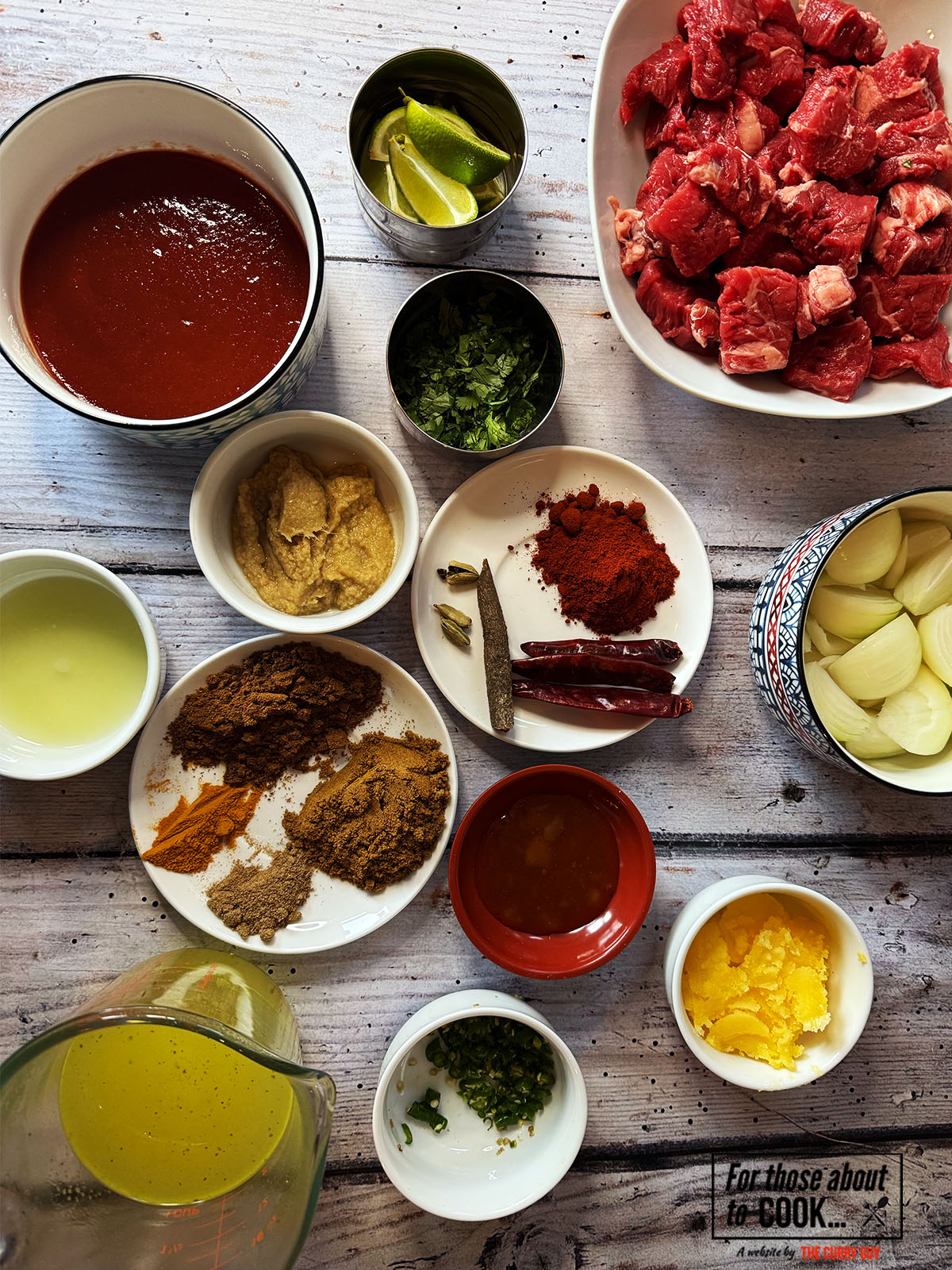
    ingredients for shredded chipotle enchiladas

    See recipe card for quantities.

    • Flour tortillas
    • Chicken breast or boneless chicken thigh
    • Chicken broth
    • Onion
    • Garlic
    • Spring onion (scallions)
    • Chipotle Peppers in Adobo sauce (see substitutions below if needed)
    • Vine tomatoes
    • Sugar
    • Salt
    • Bunch of fresh coriander (cilantro), finely chopped
    • Cooking (vegetable) oil
    • Sharp cheddar cheese
    • For Serving: Sour cream, lime wedge

    See recipe card for quantities.


    Instructions

    You will find photographs of each step below, along with a full layout including the ingredients in the recipe card. Use whichever format works best for you. These steps are clear and easy to follow, so you can cook along with confidence.

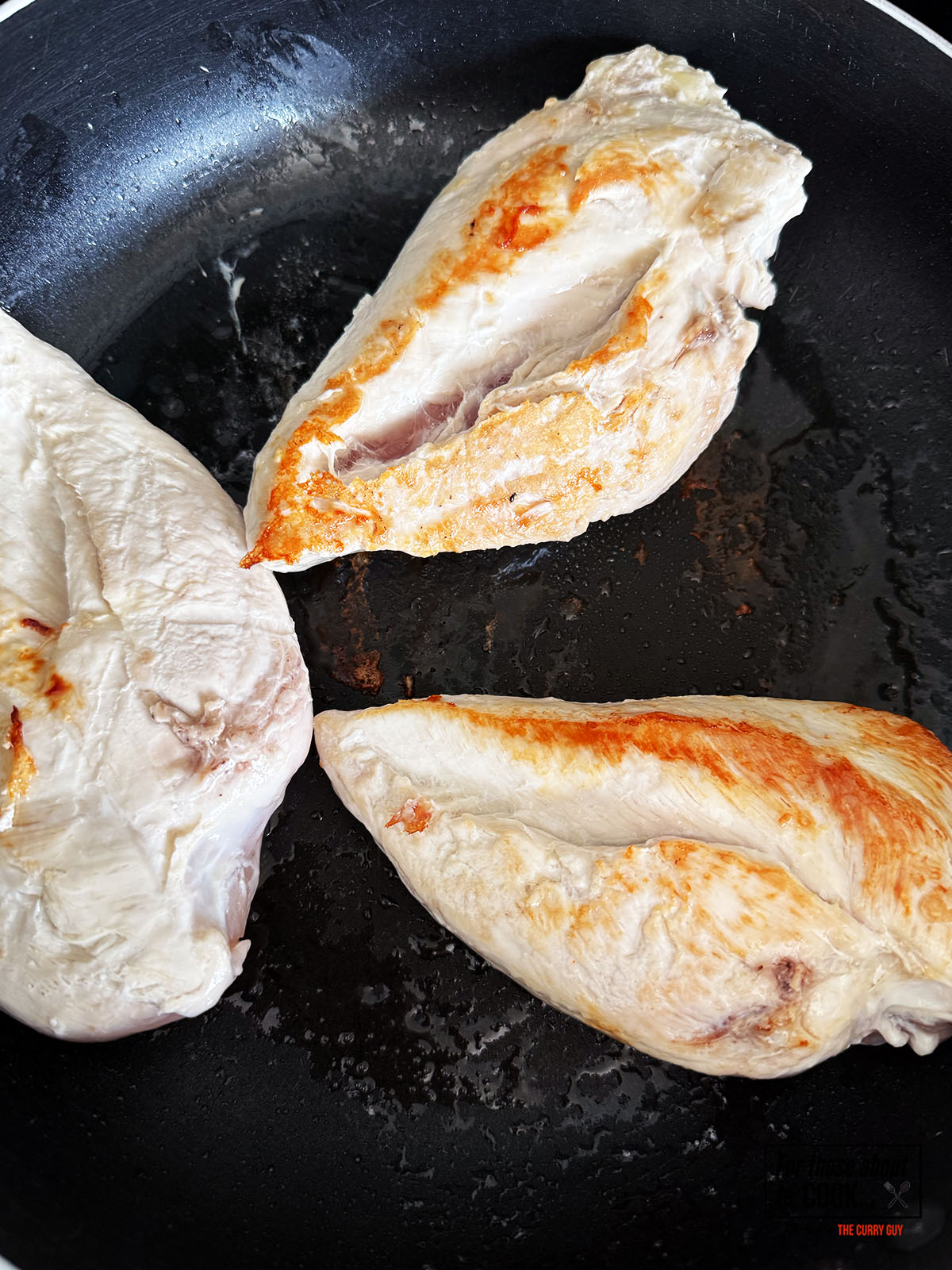
    Chicken browning in a pan
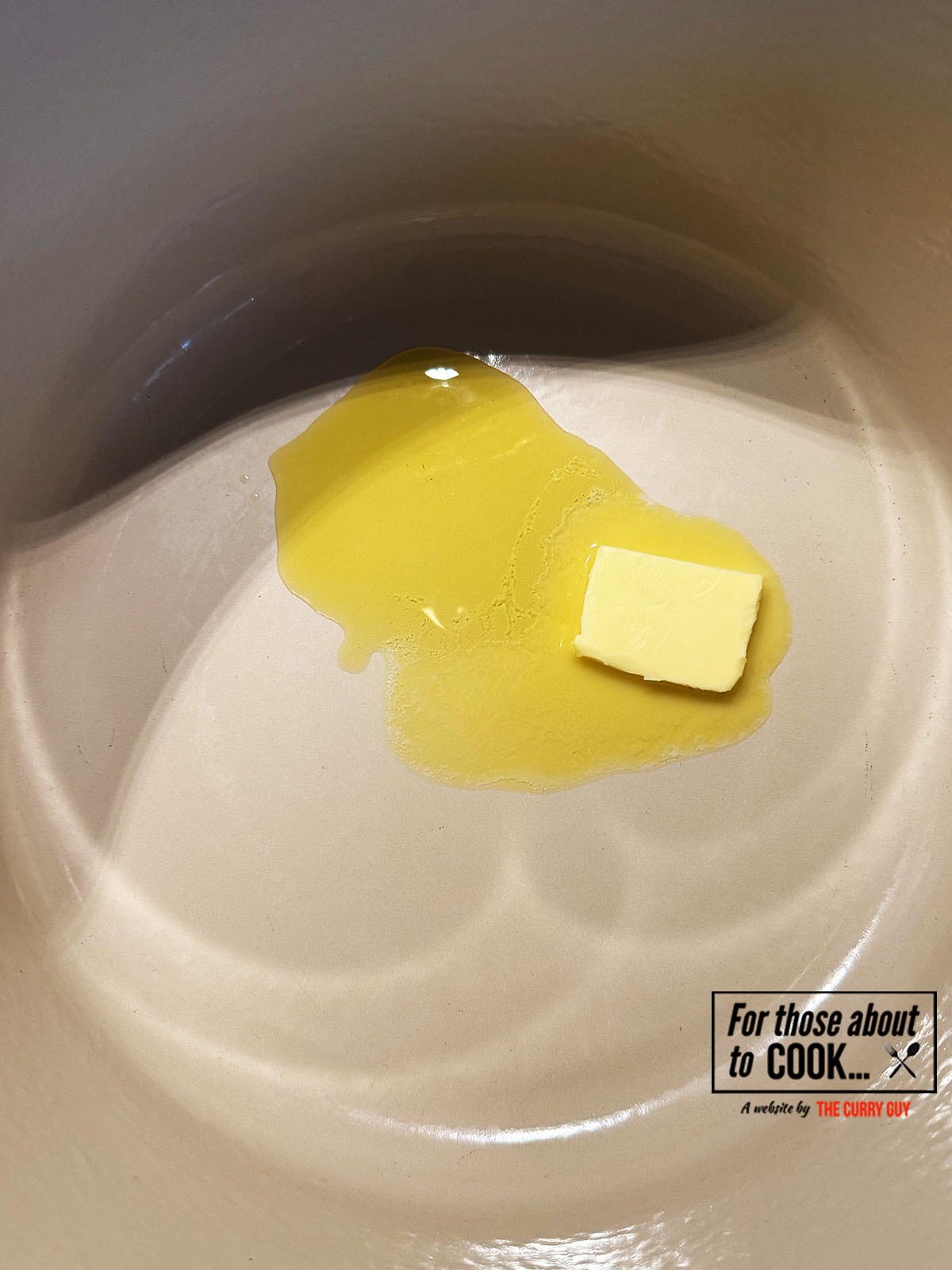
    1. Step 1: (pre-heat oven to 350F/180C) In a pan on a medium heat, add a splash of olive oil and brown your chicken breasts.
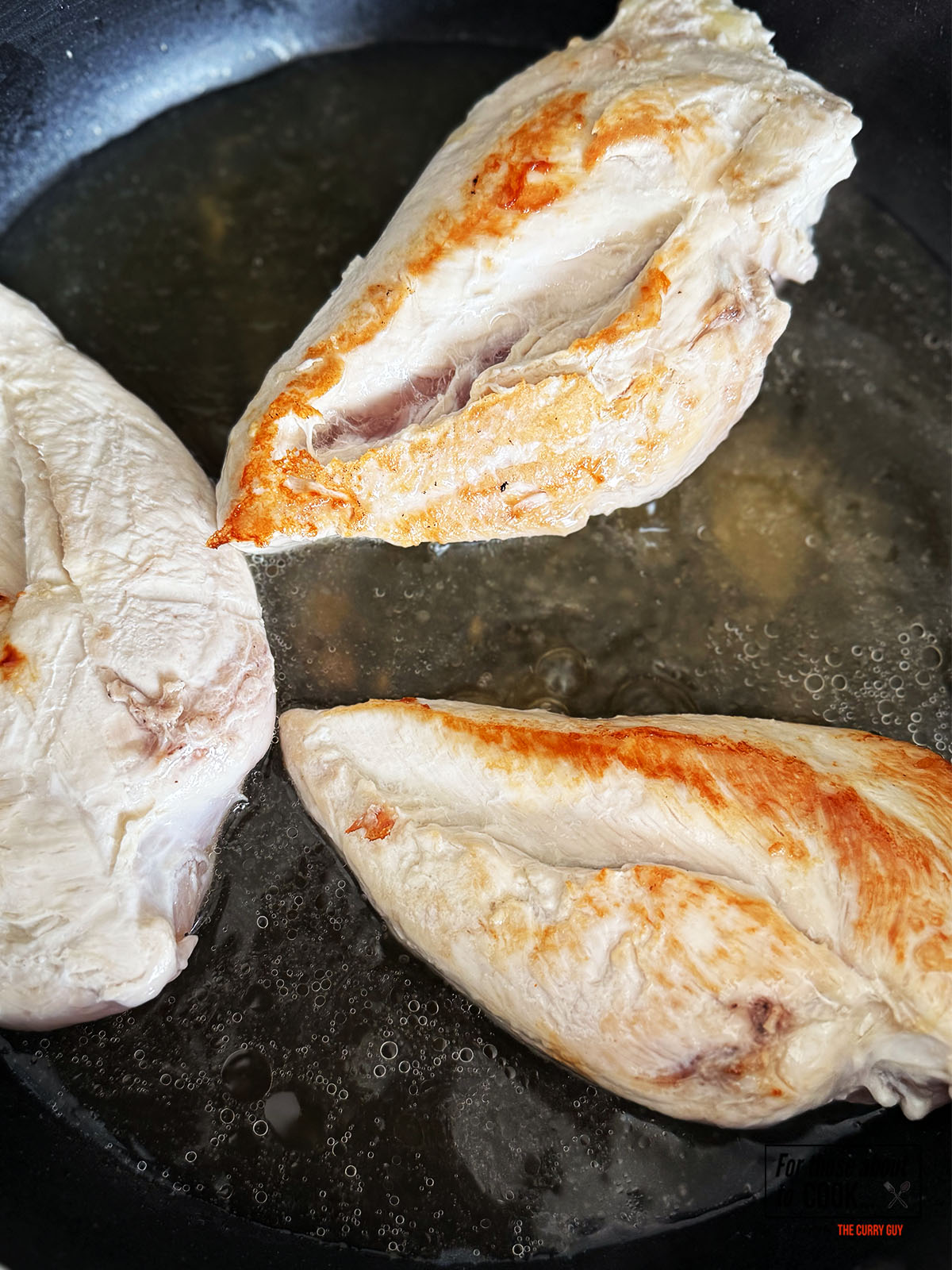
    Chicken stock added to browned chicken
    1. Step 2: Add ¼ cup (60ml) of chicken chicken.

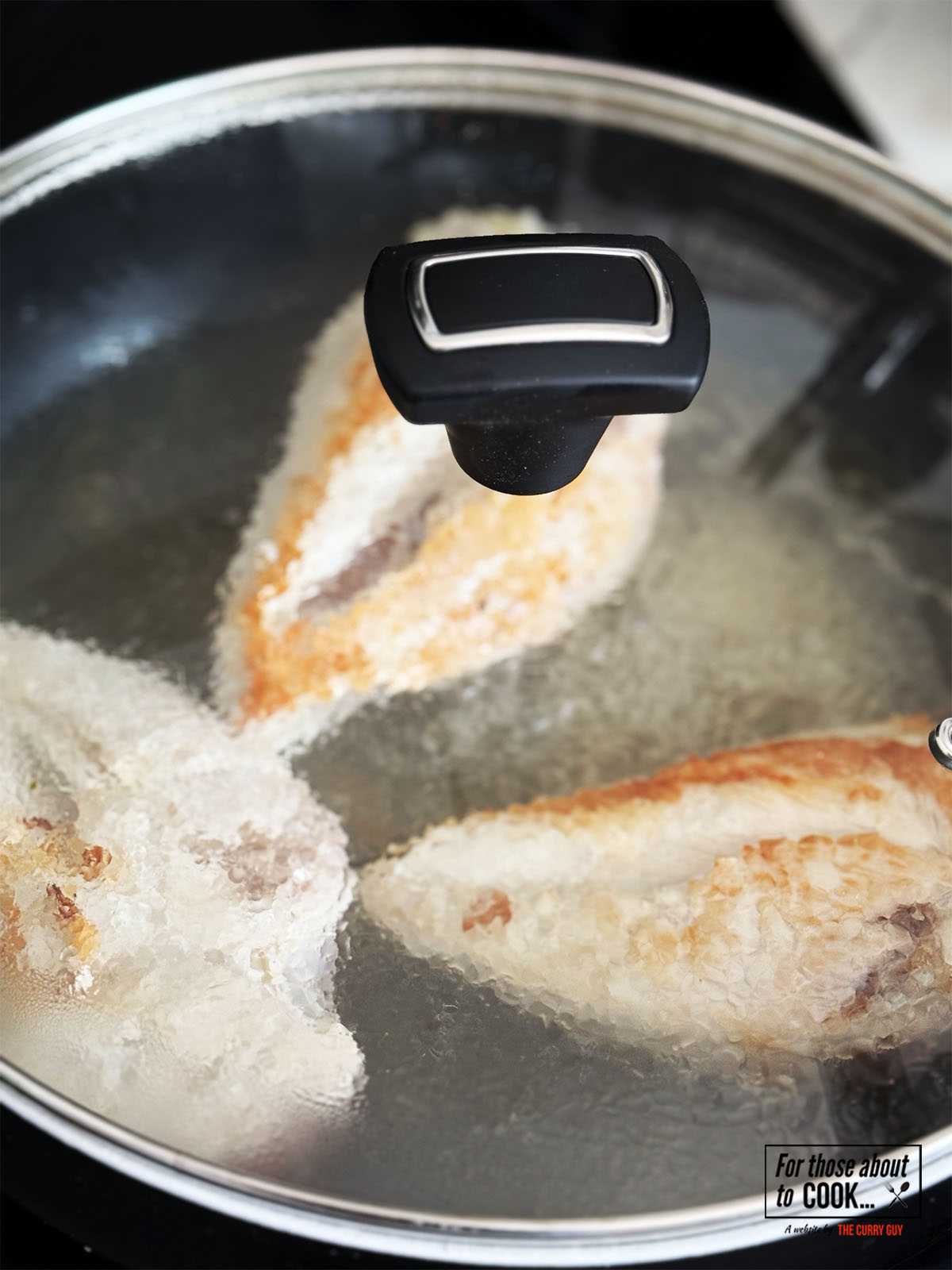
    Lid covering pan with chicken and chicken stock
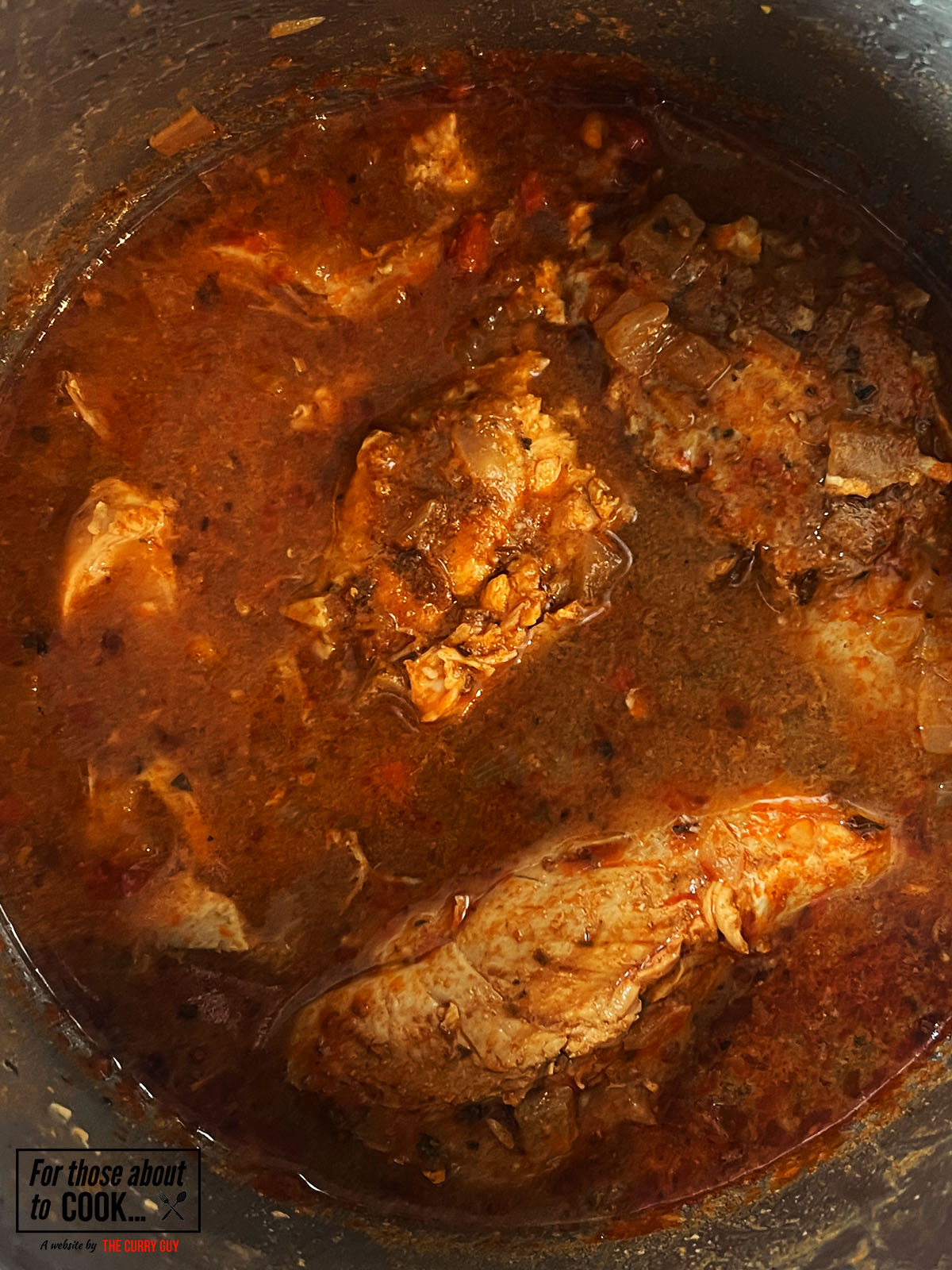
    1. Step 3: Cover your pan with a lid and allow to poach for 10-12 minutes.
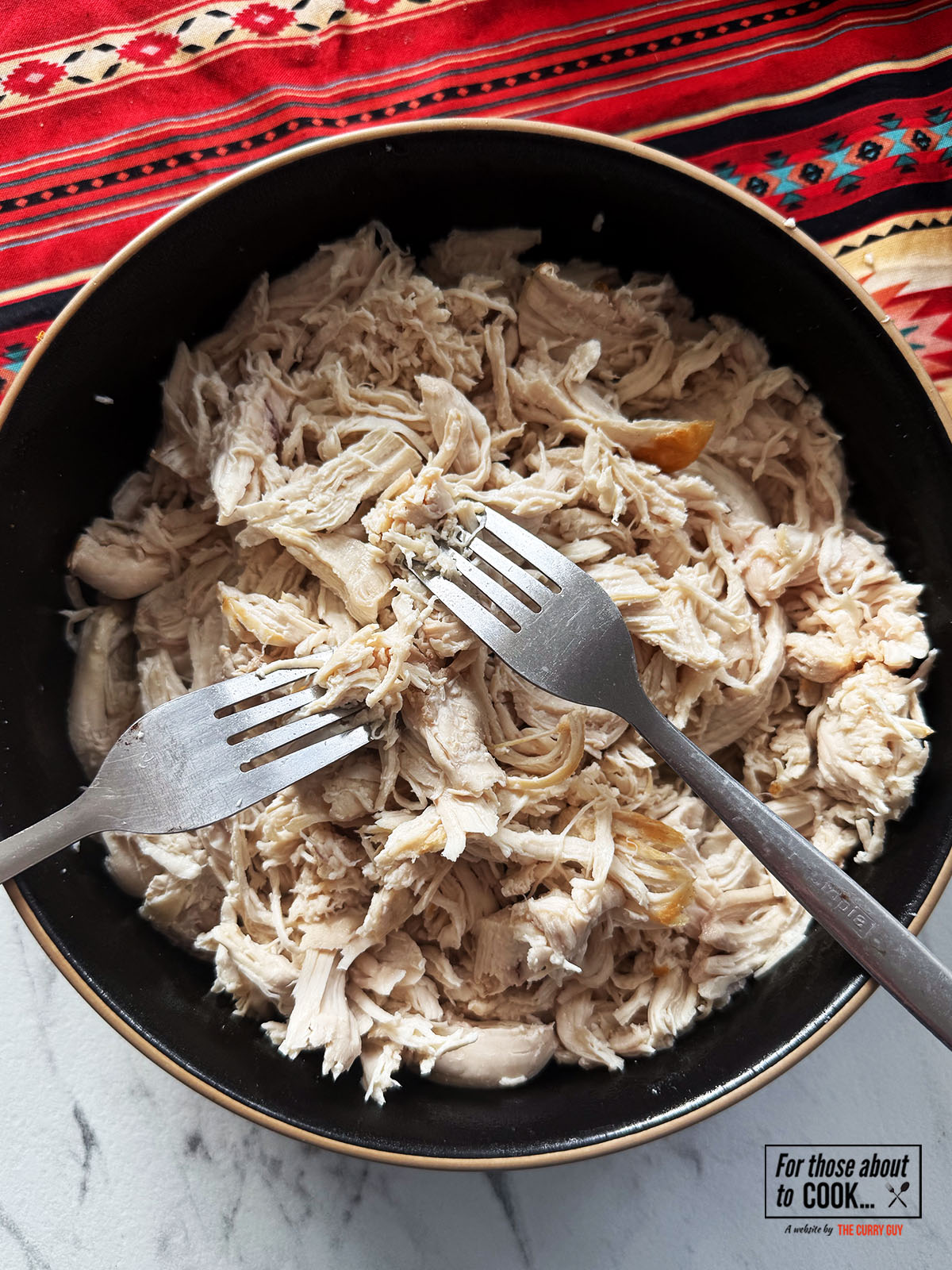
    Chicken shredded in a bowl using forks
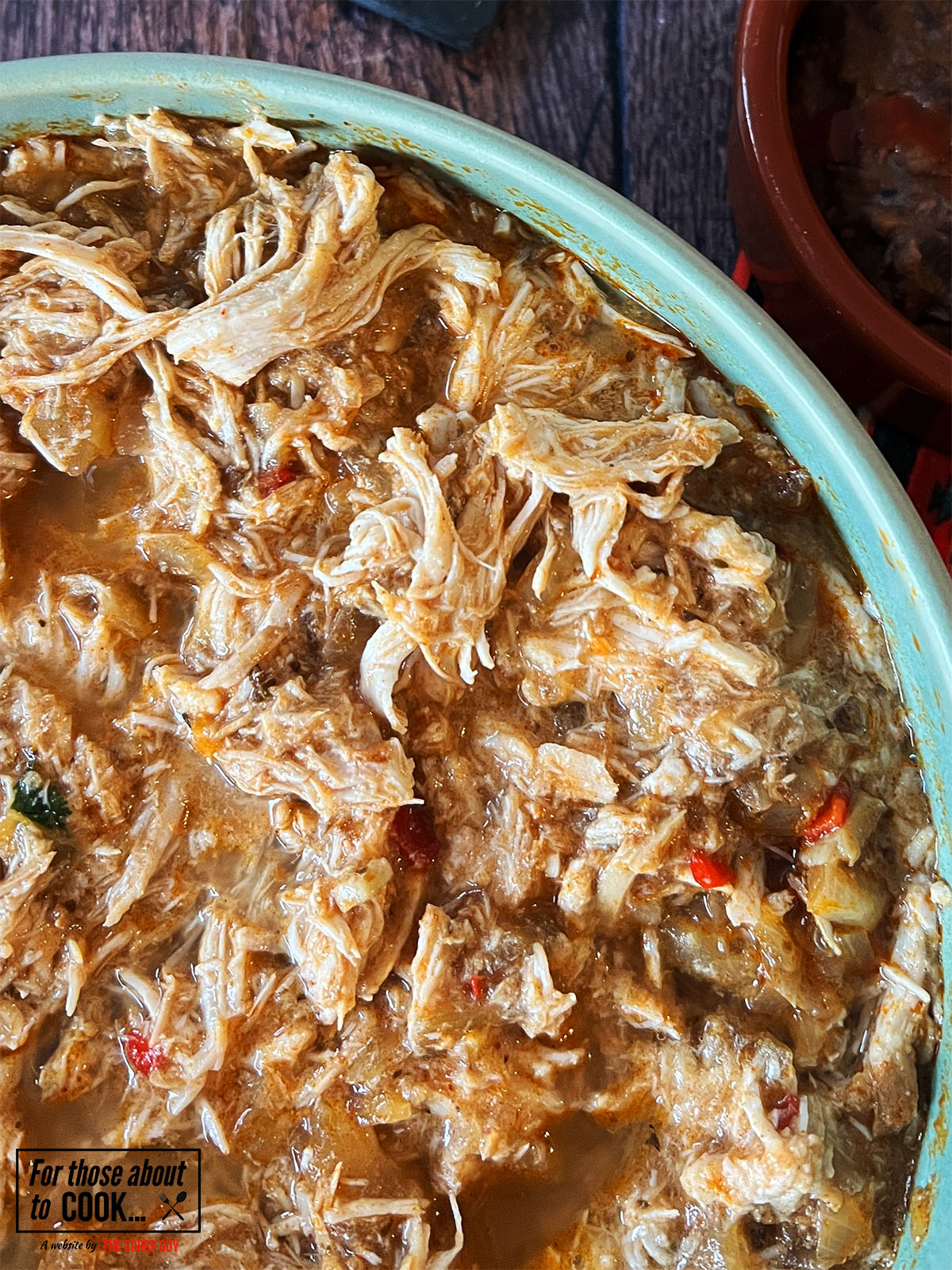
    1. Step 4: Once cooked, shred your chicken in a bowl with forks.

    blending ingredients for shredded chicken enchiladas
    1. Step 5: In a blender or food processer, add the tomatoes, coriander, chipotle peppers, sugar, salt and spring onion (scallions). Blitz until a smooth paste. Set roughly ⅓ of the sauce to one side to layer on top of the enchiladas.
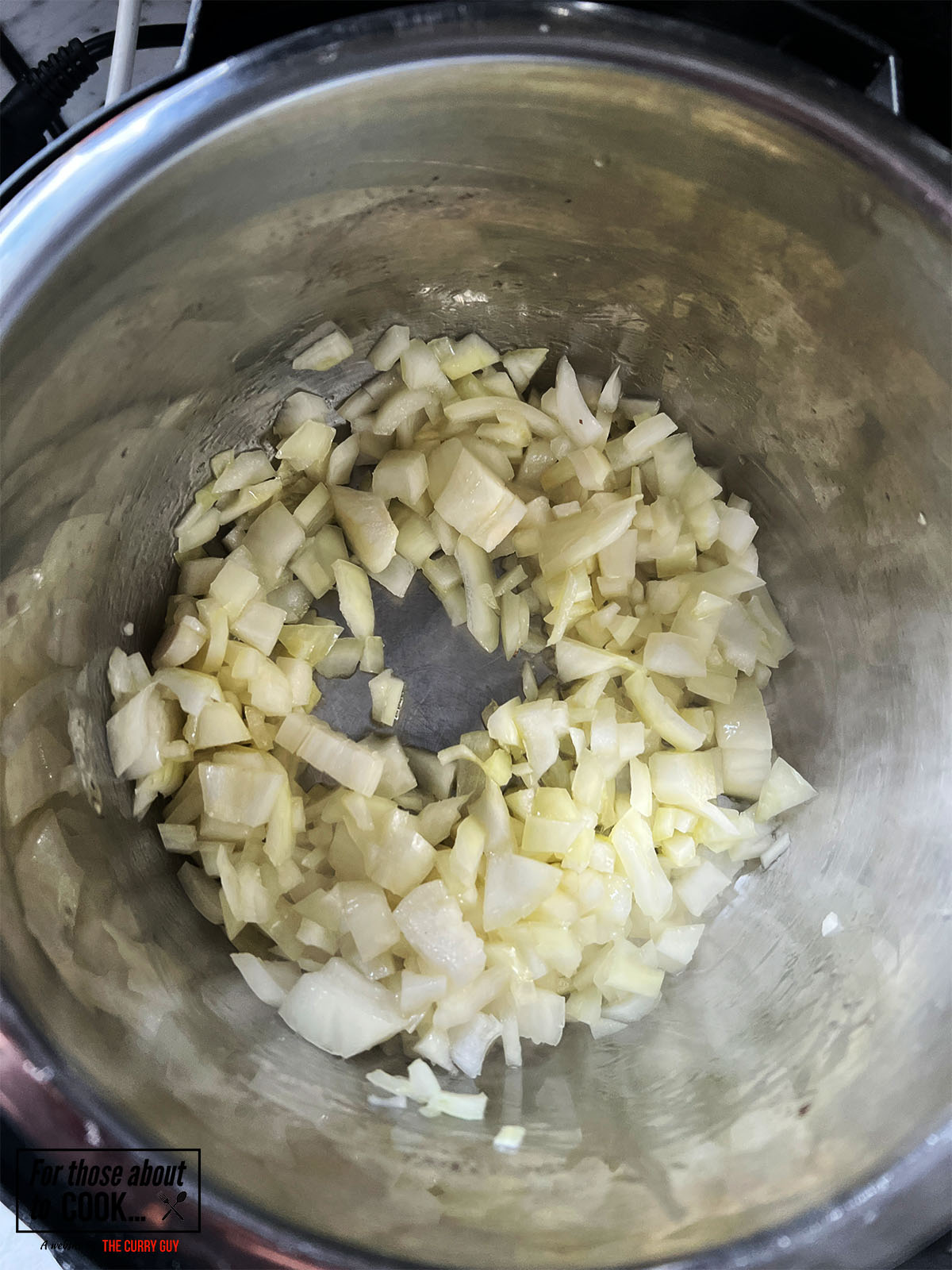
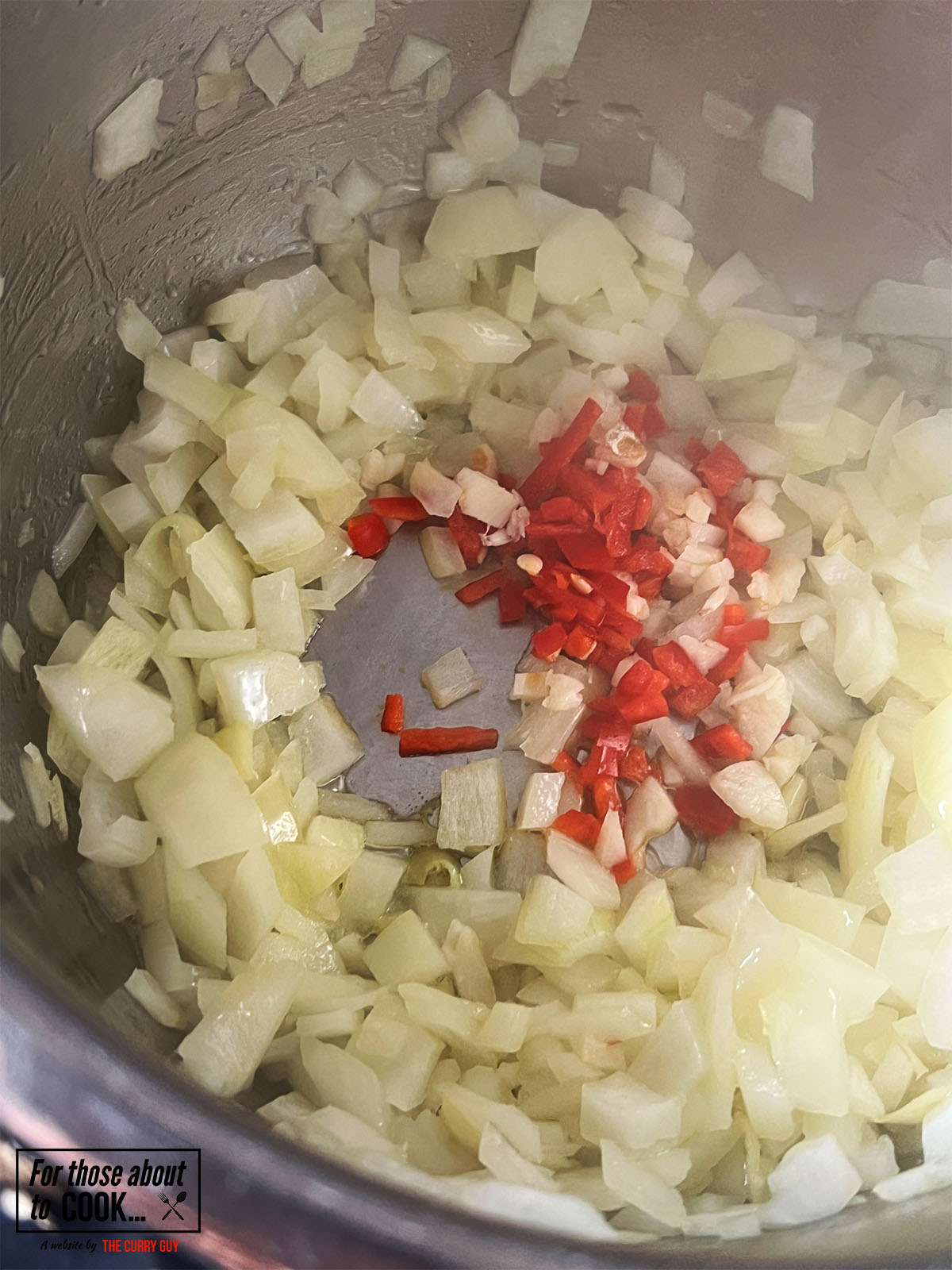
    frying onion and garlic
    1. Step 6: In a pan over a med-low heat, add 1 tablespoon of oil then fry the onions until translucent (5 minutes) then stir in the garlic for a further one minute

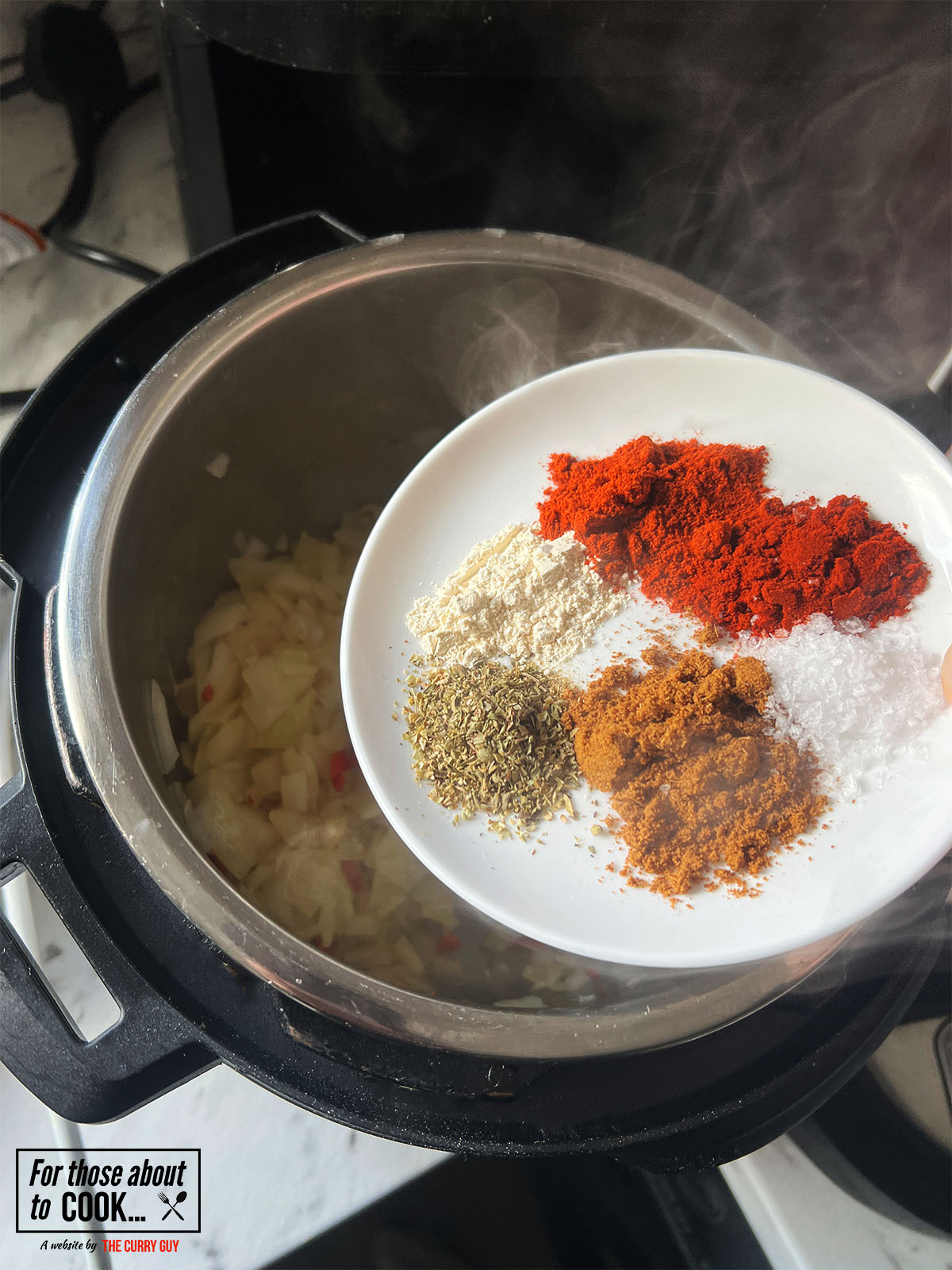
    making the chipotle sauce
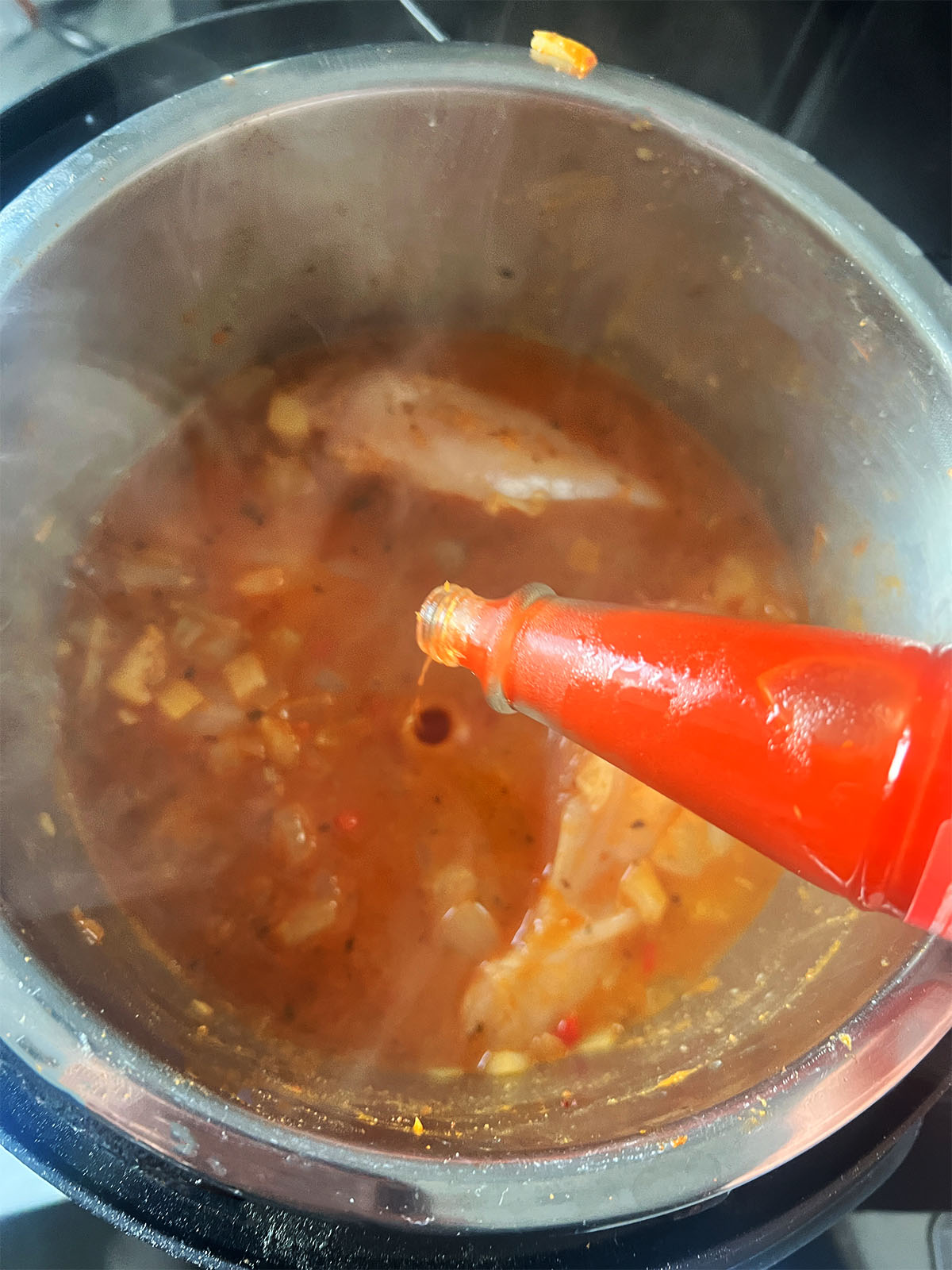
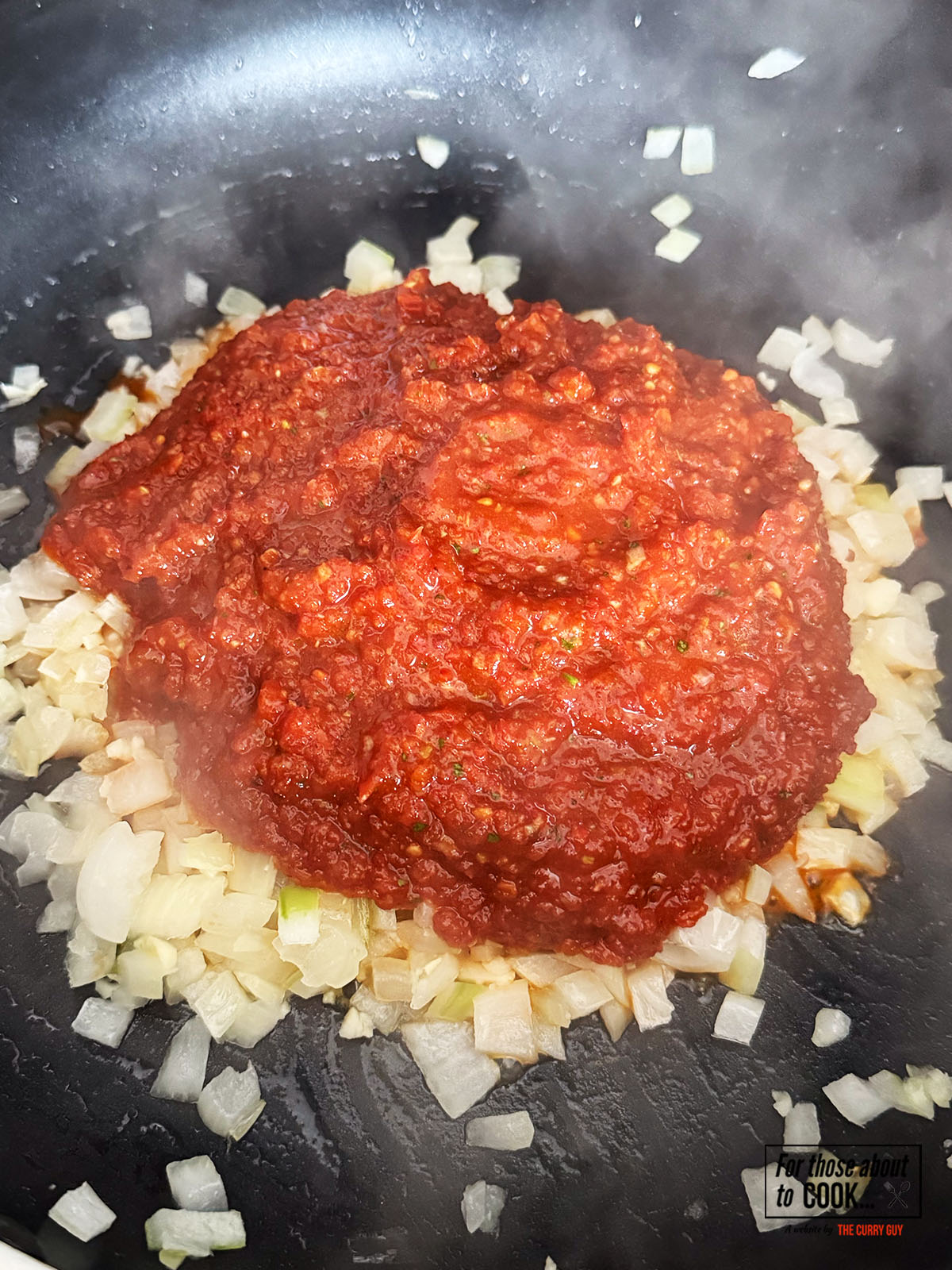
    1. Step 7: Add the remaining blended chipotle paste to the onions and garlic. Then add ¼ cup of chicken broth (you can add more if it's looking dry).
    shredded chicken added to the sauce
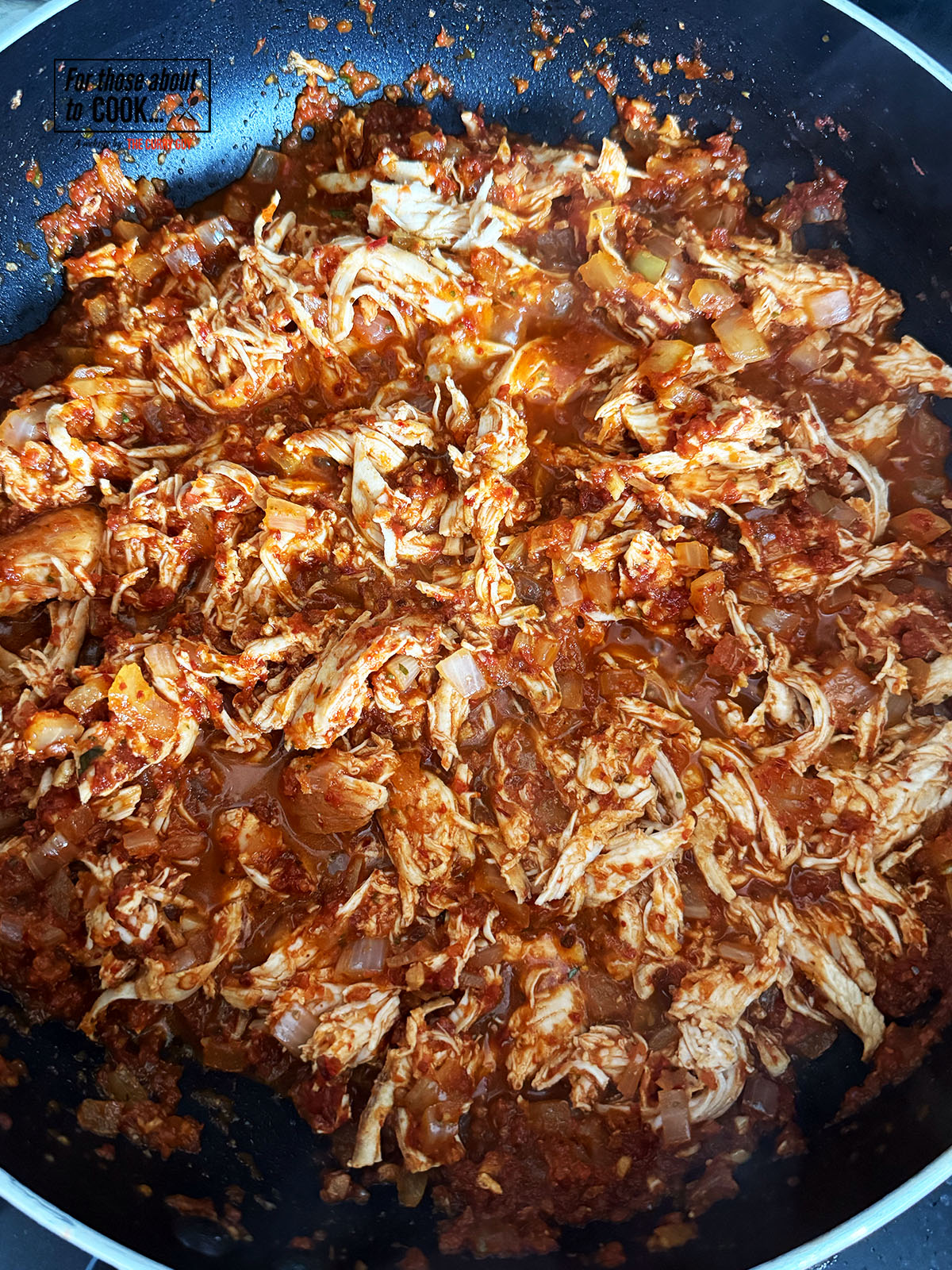
    1. Step 8: Add the shredded chicken to the pan, simmer and stir occasionally for up to 10 minutes for the flavors to develop.

    loading the tortillas
    1. Step 9: Load one flour tortilla at a time with the chipotle chicken and top with sharp cheddar cheese and chopped coriander. Roll each tortilla, turning in the sides first into a wrapped enchilada
    cooked and ready to eat shredded chicken enchiladas
    1. Step 10: In a greased baking dish, place the enchiladas and top with the remaining chipotle sauce and cheese. Bake for 20 minutes, serve and enjoy!

    Substitutions

    • Chipotle Peppers in Adobo sauce - I think it is important to mention this ingredients in particular, as here in the UK, they can be more difficult to find. The chipotle peppers in tomato sauce can actually be substituted with more easily accessible Chipotle paste. Use 2–3 tablespoons adobo paste + ½–1 teaspoon smoked paprika (or chipotle powder if you have it).

    Variations

    • Deluxe - To make your shredded chicken enchiladas deluxe, load them up with extras like sautéed peppers, onions, or sweetcorn, and use a mix of cheeses for extra melt and flavor. Serve them with Guacamole.
    • Kid friendly - To make shredded (chipotle) chicken enchiladas kid-friendly, use just a small amount of chipotle sauce for smoky flavor without too much heat, or swap it for mild paprika. You can also add extra cheese and sneak in some finely chopped veggies like peppers or sweetcorn for a gentler, more balanced filling. Serve with cooling dips like sour cream or guacamole to soften the spice.

    Can I cook the enchiladas in the air fryer?

    Absolutely! Most of the time i do just that. 5-10 minutes on 200C/400F should do just fine but watch them.

    In fact, you can actually cook most of the chipotle chicken in the air fryer, all but the poaching of the chicken. If you're interested, check out how Dan prepares this Chicken Tikka Masala in the air fryer for the process of sautéing onions and more.


    Equipment

    The only must have equipment you will need is a baking dish wide enough to fit the enchiladas without squishing them.


    Serving Size (Serves 4)

    This recipe is written to serve 4. Most of the time, we cook for 2 and enjoy the leftovers the next day - it makes the effort of cooking something fresh and delicious even more worthwhile. If you’re feeding 5 or 6, you can easily double the recipe, or sometimes it’s as simple as adding an extra piece of protein and adjusting the sides. Make it yours, enjoy the process, and don’t stress about being exact.

    Note: Nutritional information provided in the recipe card below is a rough guide only. Values can vary depending on the exact ingredients and quantities you use.


    Storage

    I recommend storing the filling (chicken and cheese) separately if you can for best results when reheated. Then, simply heat them back up and load into your flour tortillas.

    Fridge: Allow your dish to cool completely, then store in an airtight container for up to 3 days. Flavours often develop even more after a night in the fridge.
    Freezer: Portion and freeze for up to 3 months. Defrost overnight in the fridge, then reheat gently on the hob or in the oven until piping hot.


    Top Tip

    Toast your tortillas briefly in a dry pan before rolling. It stops them from going soggy and adds a subtle smoky flavour that pairs perfectly with the chipotle chicken.


    FAQ

    Can I make them ahead of time?

    Yes! Cook the chicken filling in advance, then assemble and cook the enchiladas just before serving for the best crispness.

    What cheese works best?

    Sharp cheddar, Monterey Jack, or a blend of both melt beautifully and pair well with the smoky chipotle flavor.

    Can I make them less spicy for kids?

    Yes! Use just a small amount of chipotle sauce or replace it with mild paprika, and serve with cooling dips like sour cream or guacamole to balance the heat.


    Related

    Looking for other Mexican recipes like this? Try these:

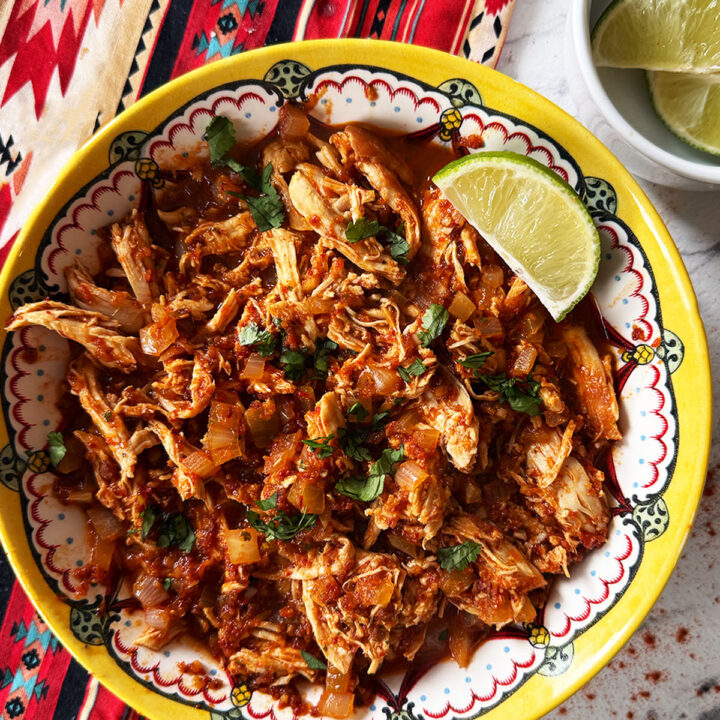
    • Tinga served in a pan topped with coriander
      Tinga
    • Finished tostadas topped with wensleydale cheese, coriander and salsa de aguacate
      Beef Tostada
    • Birria tacos on a serving platter.
      Birria Tacos
    • Carne Guisada
      Carne Guisada
    See more Mexican →

    Pairing

    These are my favorite dishes to serve with Chipotle Chicken Quesadillas:

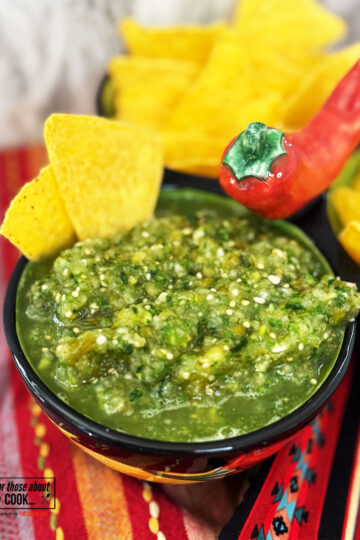
    • Salsa Verde served in a bowl with tortilla chips
      Salsa Verde
    • Chipotle mayo served in a bowl
      Chipotle Mayo
    • Pico de gallo in a serving bowl next to homemade corn chips.
      How to Make Pico de Gallo
    • Homemade Guacamole in a serving bowl next to corn chips.
      Guacamole Recipe

    Recipe

    shredded chipotle chicken enchiladas

    Shredded (Chipotle) Chicken Enchiladas

    Yield: 4
    Prep Time: 5 minutes
    Cook Time: 35 minutes
    Total Time: 5 minutes

    Enjoy the delicious flavors of Chipotle chicken enchilada for a quick and comforting weeknight dinner or a weekend treat.

    Ingredients

    • 4 Flour Tortillas
    • 1lb (500g) Chicken breast or boneless chicken thigh
    • 1 cup chicken broth
    • 1 white Onion
    • 3 cloves Garlic
    • 2 Spring onion (scallions)
    • Chipotle Peppers in Adobo sauce (see substitutions below if needed)
    • 3 vine tomatoes (quartered)
    • 1 teaspoon sugar
    • 1 teaspoon salt
    • bunch of fresh coriander (cilantro), finely chopped
    • 1 tablespoon cooking (vegetable) oil
    • For Serving: Sour cream, lime wedge

    Instructions

    1. (pre-heat oven to 350F/180C)
    2. In a pan on a medium heat, add a splash of olive oil and brown your chicken breasts. Add
      ¼ cup (60ml) of chicken chicken. Cover your pan with a lid and allow to poach
      for 10-12 minutes. Once cooked, shred your chicken in a bowl
      with forks.
    3. In a blender or food processer, add the tomatoes, coriander, chipotle peppers, sugar, salt and spring onion
      (scallions). Blitz until a smooth paste. Set roughly ⅓ of the sauce to one side to layer on top of the enchiladas.
    4. In a pan over a med-low heat, add 1 tablespoon of oil then fry the onions until translucent (5 minutes) then stir
      in the garlic for a further one minuteAdd the remaining blended chipotle paste to the onions and garlic. Then add ¼ cup of chicken broth (you can add more if it's looking dry).
    5. Add the shredded chicken to the pan, simmer and stir occasionally for up to 10 minutes for the flavors to develop. Load one flour tortilla at a time with the chipotle chicken and top with sharp cheddar cheese and chopped coriander. Roll each tortilla, turning in the sides first into a wrapped enchiladaIn
      a greased baking dish, place the enchiladas and top with the remaining chipotle
      sauce and cheese.
    6. Bake for 20 minutes, serve and enjoy!
    Nutrition Information:
    Yield: 4 Serving Size: 1
    Amount Per Serving: Calories: 468Total Fat: 11gSaturated Fat: 3gTrans Fat: 0gUnsaturated Fat: 7gCholesterol: 143mgSodium: 1229mgCarbohydrates: 38gFiber: 4gSugar: 6gProtein: 52g
    © Joe
    Cuisine: Mexican / Category: Mexican

    Have you tried this recipe?

    If yes, please give it a star rating in the recipe card below and leave a comment. We love receiving your feedback and I’m sure other readers of my blog do too. Thank you.

    If you are not already doing so, please follow For Those About To Cook on Instagram and Facebook for all our latest recipes.
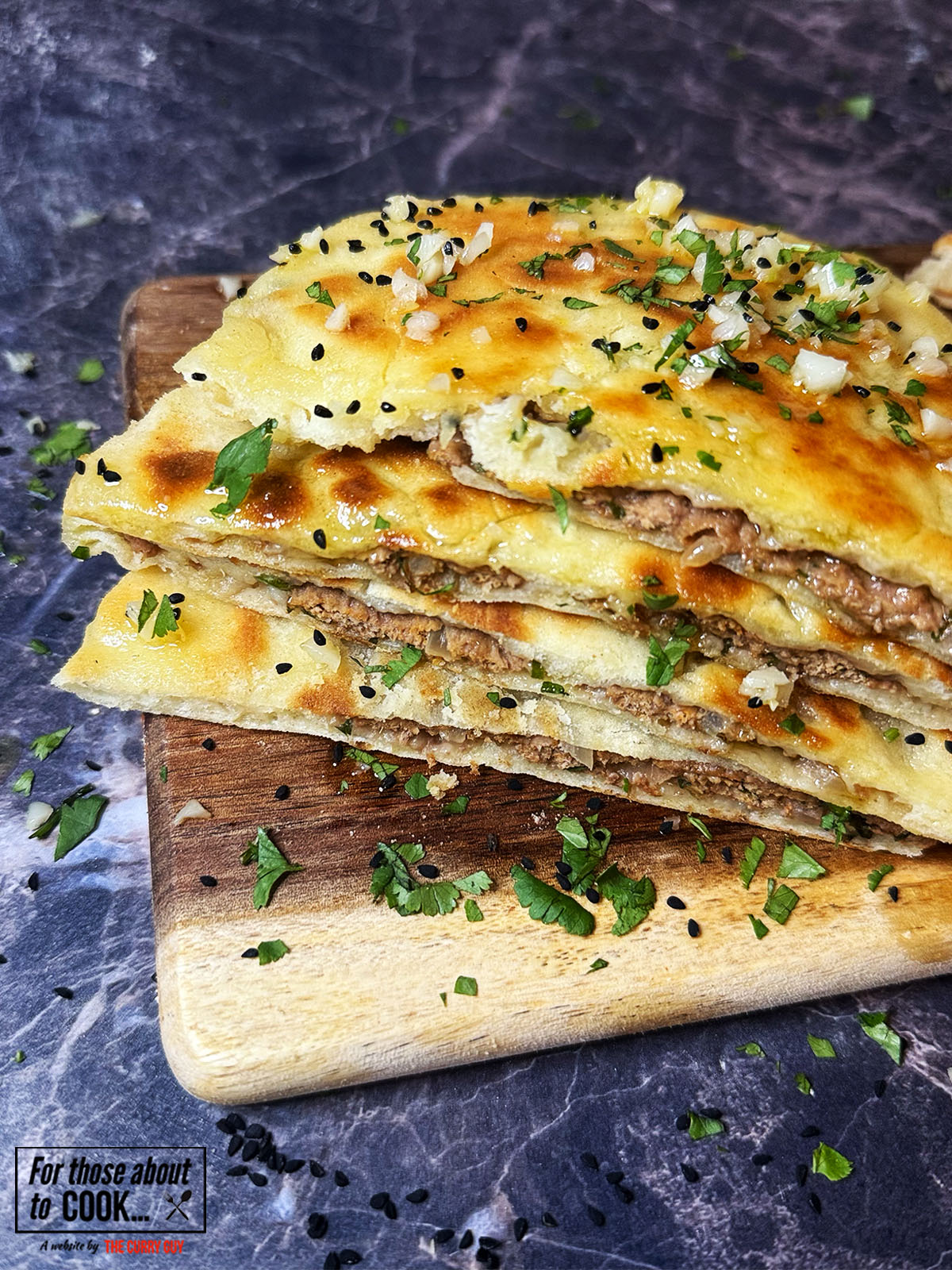
    Coconut and Lime Crispy Chicken

    August 18, 2025 By Shannon

    Coconut and lime crispy chicken topped with lime wedges, chilli and spring onion

    Crispy, bright and zesty! This Coconut and Lime Crispy Chicken is deliciously fresh, so flavorful yet simple to make and can be cooked all in one pot! You have to give this recipe a go, it'll quickly become a household favorite.

    Coconut and lime crispy chicken topped with lime wedges, chilli and spring onion

    About this recipe:

    Succulent chicken thighs with golden, crispy skin are infused with the bright flavors of coconut and lime for a light yet satisfying summer dish. Using just one pot, you can create the perfect crisp on your chicken skin and cook up a gorgeous coconut lime curry, saving you time and reducing the washing up!


    Ingredients

    See recipe card for quantities.
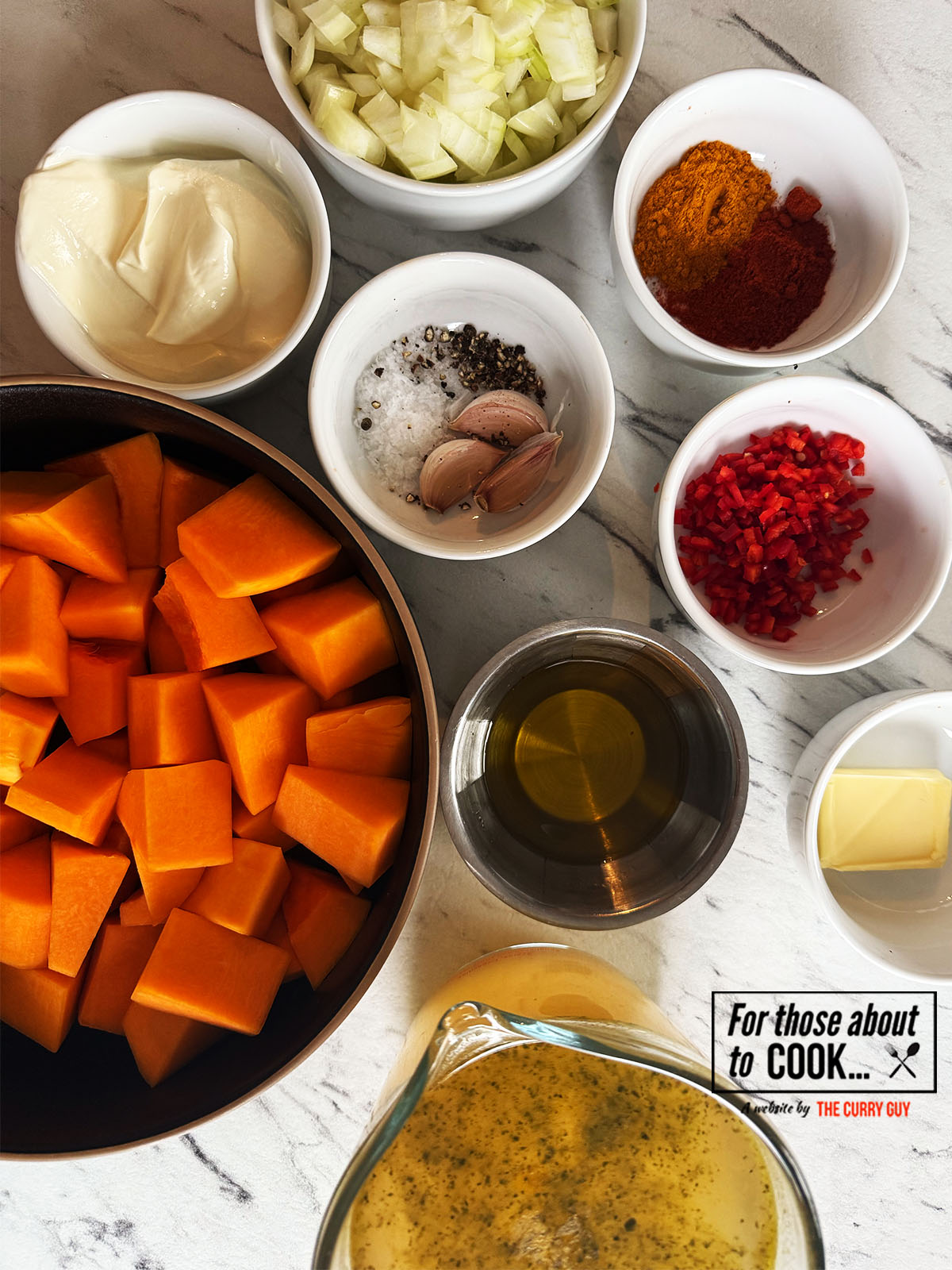
    Ingredients for coconut lime chicken separated into bowls
    • Skin on chicken thighs
    • Olive oil
    • vegetable oil
    • White onion
    • Garlic and ginger paste
    • Paprika
    • Chicken stock
    • Red chilli
    • Soy sauce
    • Fish sauce
    • Coconut milk
    • Lime zest
    • Coriander
    • Salt
    • To garnish:
    • Lime
    • Spring onion
    • Coriander

    See recipe card for quantities.
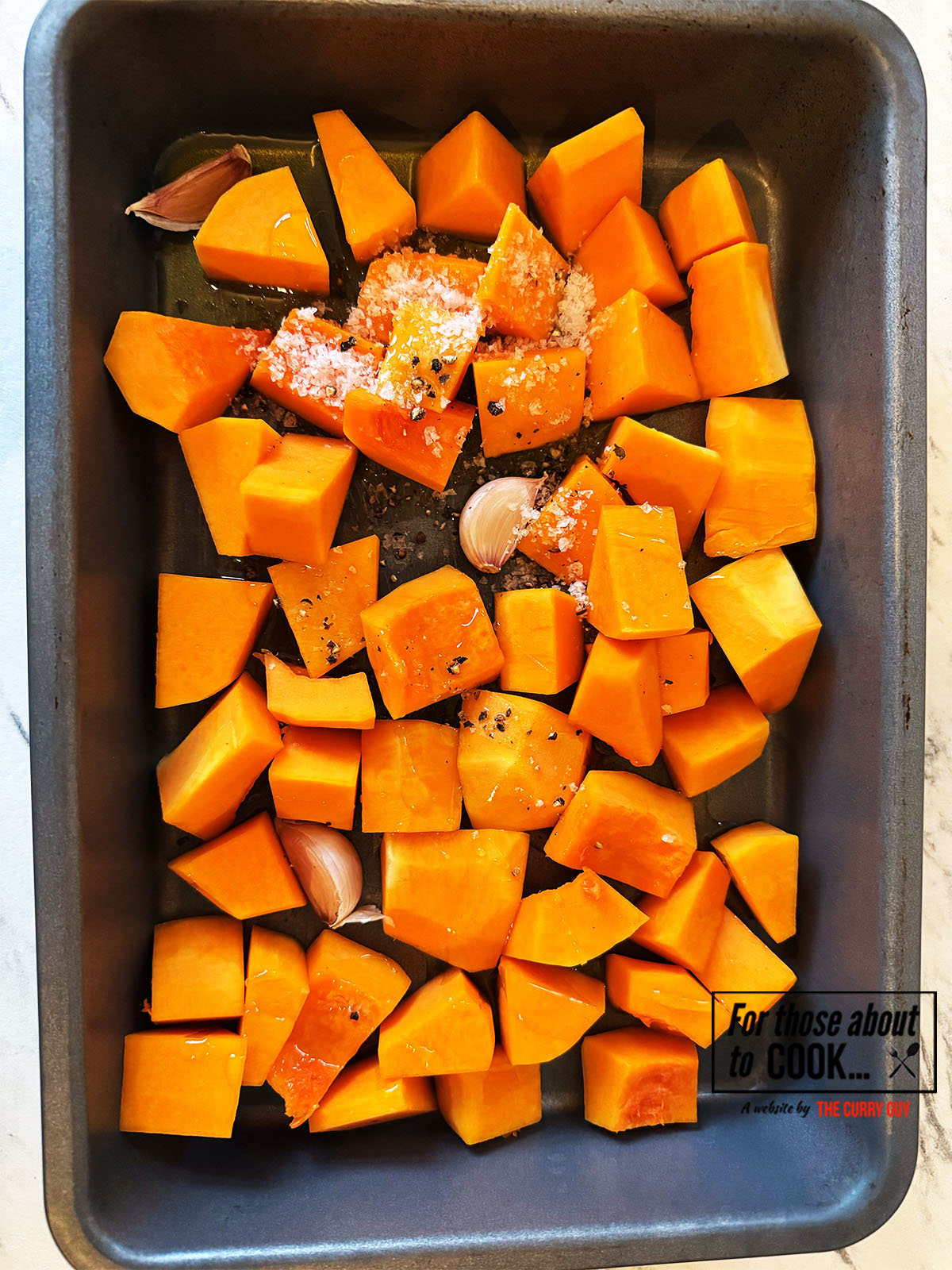

    Step by step photographs:

    Chicken thighs coated in paprika and salt
    1. Step 1: Coat your chicken thighs in paprika, salt and 1tbsp of olive oil.
    Crispy chicken skin on chicken thighs
    1. Step 2: To a large pot, on a medium-high heat, add a splash of vegetable oil and fry the chicken thighs skin side down for 10 minutes or until the skin is crispy. Flip the thighs over and fry for a further 5 minutes. Set to one side for later.
    Onion and red chilli frying in a pan
    1. Step 3: Add your diced onion and red chilli and fry until the onions are translucent.
    Garlic and ginger paste added to the pan
    1. Step 4: Add your garlic and ginger paste and fry for another minute, until fragrant.
    Liquid ingredients added to the pan
    1. Step 5: Next, add your chicken stock, coconut milk, soy sauce, fish sauce and lime juice.
    Lime zest and coriander added to the curry
    1. Step 6: Then, add your lime zest and chopped coriander. Bring to a gentle simmer and allow the sauce to thicken to your desired consistency (around 10 minutes).
    Crispy chicken added to the coconut broth
    1. Step 7: Return your chicken to the pan and bake in the oven for 20 minutes at 400F (200C) or allow to simmer in the pan on a medium heat.
    Finished coconut and lime crispy chicken topped with lime wedges, chilli and spring onion
    1. Step 8: Serve with rice and top with your spring onion, chopped chillies and coriander.

    What can I serve this with?

    • Rice - Soak up all the gorgeous coconut broth with this easy basmati rice recipe! Or compliment the Southeast Asian flavors with this sticky rice recipe.
    • Flatbreads - Mop up every last bit of the coconut broth with these 3 ingredient flat breads.
    Do I have to finish the cooking in the oven?

    Not at all! I used an oven safe pot to cook my coconut lime crispy chicken and finished off the cooking process in the oven. I prefer this method as it makes the chicken skin extra crispy while the chicken finishes cooking. However, if you don't have an oven proof pan or simply don't want to turn your oven on then simply follow the steps above and simmer on a medium heat for 20 minutes when you return your chicken.
    How many does this recipe serve?

    For this recipe, I used 6 large bone-in, skin-on chicken thighs. This amount yielded 4 portions in total served along side a healthy portion of easy basmati rice. You can scale up this recipe if you're hosting more people or half the ingredients to serve 2.

    Variations

    • Spicy - If you're after a spicy broth for your crispy chicken, simply add an extra diced chilli along with your diced onion. You can even add a splash of chilli oil to your broth when adding your soy and fish sauce.
    • Sweet & Fruity - If fresh, sweet flavors is what you're looking to add to this curry then a splash of mango or pineapple juice will brighten up this Coconut Lime Crispy Chicken.

    Equipment

    This Coconut Lime Crispy Chicken is so simple to make and it only requires one large pot to cook it in. If you would like to finish off cooking your chicken in the oven, then make sure your pot is oven safe.

    Storage

    Refrigeration - Allow to cool completely. Transfer to an airtight container and store in the fridge for up to 3 days. To reheat, for best results, add to an oven proof dish with the chicken skin visible and heat through for 15 minutes at 400F (200C). This will allow the skin to regain some off its crispiness.

    Top Tip

    When frying your chicken thighs to get that crispy skin, make sure you're frying on a high heat and don't move the chicken around the pan! Allow the skin to crisp and caramelise to the bottom of the pan.

    FAQ

    Can I use chicken breast instead of thighs?

    Yes, but thighs stay juicier and handle high heat better. If using breast, be careful not to overcook, as it can dry out. Try finding skin on chicken breast to best replicate this Coconut Lime Crispy Chicken recipe.

    How do I keep the skin crispy when reheating?

    Avoid microwaving. Reheat in a preheated oven or air fryer at 400F (200C) until hot. Adding a fresh squeeze of lime after reheating brightens the flavor.

    Related

    Looking for other curries? Try these:

    • Curried brussels sprouts served in a side dish
      Curried Brussels Sprouts
    • 30 minute beef madras served with rice
      30 Minute Beef Madras
    • Keema naan cut in half to see the lamb meat
      Keema Naan
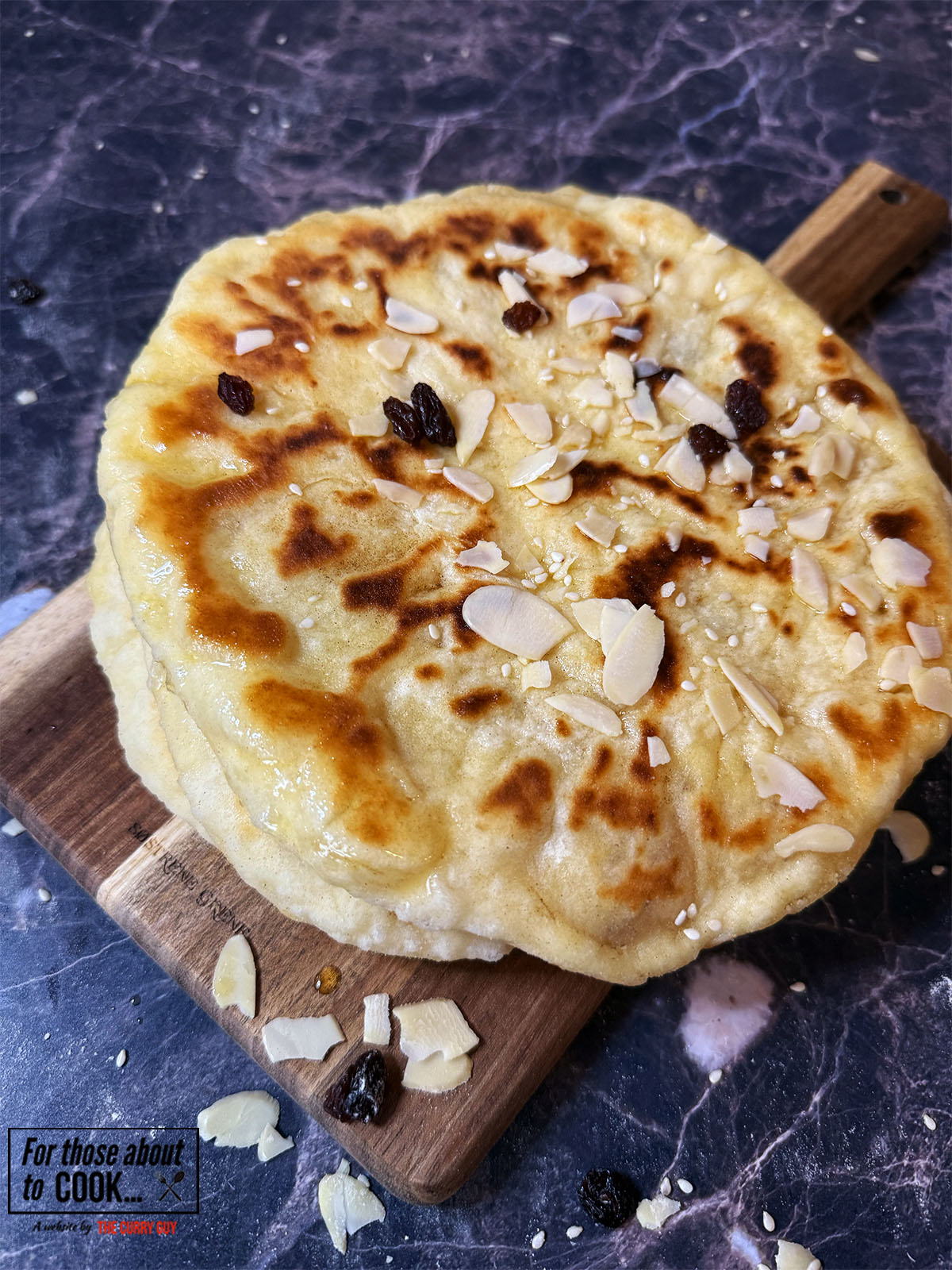
    • Peshwari naan with flaked almonds and sultanas
      Peshwari Naan

    Pairing

    These are my favorite dishes to serve with Coconut Lime Crispy Chicken:

    • Easy Basmati Rice in a serving bowl next to a curry.
      Easy Basmati Rice
    • Delicious fluffy naan
      3 Ingredient Naan - Flatbread with no yeast

    Recipe

    Coconut and lime crispy chicken topped with lime wedges, chilli and spring onion

    Coconut Lime Crispy Chicken

    Yield: 4
    Prep Time: 5 minutes
    Cook Time: 30 minutes
    Total Time: 35 minutes

    Crispy, bright and zesty! This Coconut Lime Crispy Chicken is deliciously fresh, so flavorful and can be cooked all in one pot.

    Ingredients

    • 6 Skin on chicken thighs
    • 1 tablespoon olive oil
    • 1 tablespoon vegetable oil
    • ½ tablespoon paprika
    • 2 teaspoon salt
    • 1 white onion, diced
    • 1 red chilli, diced
    • 100ml chicken stock
    • ½ tablespoon garlic paste
    • ½ tablespoon ginger paste
    • 1 tin (400 ml) coconut milk
    • 1 tablespoon light soy sauce
    • 1 tablespoon fish sauce
    • 1 lime, juice and zest
    • 1 handful coriander, chopped
    • To Garnish:
    • 2 Spring onions, sliced
    • 1 red chilli, sliced
    • Lime, sliced
    • 3 sprigs coriander, chopped

    Instructions

      1. Coat your chicken thighs in paprika, salt and 1tbsp olive oil.
      2. To a large pot, on a medium-high heat, add a splash of vegetableoil and fry the chicken thighs skin side down for 10 minutes or until the skin is crispy. Flip the thighs over and fry for a further 5 minutes. Set to one side for later.
      3. Add your diced onion and red chilli and fry until the onions are translucent.
      4. Add your garlic and ginger paste and fry for another minute, until fragrant.
      5. Next, add your chicken stock, coconut milk, soy sauce, fish sauce and lime juice.
      6. Then, add your lime zest and chopped coriander. Bring to a gentle simmer and allow the sauce to thicken to your desired consistency (around 10 minutes).
      7. Return your chicken to the pan and bake in the oven for 20 minutes at 400F (200C) or allow to simmer in the pan on a medium heat.
      8. Serve with rice and top with your spring onion, lime slices, chopped chillies and coriander.
    Nutrition Information:
    Yield: 4 Serving Size: 1
    Amount Per Serving: Calories: 823Total Fat: 48gSaturated Fat: 15gTrans Fat: 0gUnsaturated Fat: 28gCholesterol: 306mgSodium: 3277mgCarbohydrates: 34gFiber: 4gSugar: 9gProtein: 71g
    © Shannon
    Category: One pot

    Paella Mixta

    August 13, 2025 By Dan

    Paella mixta presented in a paella pan

    This Paella Mixta is one of those dishes that catches your eye. It could not be more Spain in a pan! Extremely colourful and deeply aromatic. You’re in for an absolute treat with this recipe.

    A complete mixture of land and sea, this Paella Mixta is an absolute show stopper and a glorious free for all. Perfect for weekend get togethers!

    Paella mixta presented in a paella pan

    About This Recipe

    Paella Mixta consists of juicy chicken thighs and smoky chorizo with prawns, mussels and squid - a perfect combination of land and sea. All cooked together in a wide paella pan with onions, garlic and tomatoes, then scented with saffron and smoked paprika. 

    The dish is cooked in a wide surfaced paella pan which I believe is an absolute must have; the rice cooks in a thin layer so the liquid can evaporate evenly. If you do not have a Paella pan, use the widest, flattest skillet you own.

    Heat is the other critical factor. Traditional paella is cooked over an open flame, gas burner rings, wood fire, or even a paellero tripod burner. It’s about control, not power and I show you how to do that here in this post.


    Ingredients

    See recipe card for quantities.

    Ingredients for Paella Mixta separated in to bowls
    • Unsalted chicken stock
    • Saffron
    • Olive oil
    • Baby squid, cleaned and cut into rings
    • Spanish chorizo, roughly chopped
    • Chicken thighs, cut into thirds
    • Roma (vine) tomatoes
    • Medium onions, finely chopped
    • Red bell pepper, seeded, cored and finely chopped
    • Yellow bell pepper, seeded, cored and finely chopped
    • Garlic cloves, minced
    • Green beans, roughly chopped
    • Sweet or smoked paprika
    • Bomba or arborio rice
    • Muscles, cleaned
    • Live baby clams, cleaned
    • Whole prawns

    Step by step photographs…

    Squid added to the paella pan and fried until charred
    1. Step 1: To a medium paella pan, add a tablespoon of your oil and sear your squid. This can take between 1-2 minutes. Be careful not to overcook your squid.
    Chicken and chorizo added to the pan until browned
    1. Step 2: Remove your squid and set to one side for later. Add the chorizo and fry for a minute to release some oil. Next, add the chicken and fry until both are slightly charred.

    Onion and bell peppers added to the pan
    1. Step 3: When you have the perfect char on your chicken and chorizo, push it to one side of the pan and add the remaining oil. Next, add your onion and bell peppers and fry for 5 minutes until softened.
    Garlic, green beans and tomatoes added to the pan.
    1. Step 4: Then, add your garlic, green beans and tomatoes. Cook for about 5 minutes.

    Mixed paella with paprika and saffron added
    1. Step 5: Give it a good mix. Add the saffron and paprika and stir again.
    Rice added to the pan and toasted
    1. Step 6: Next add the rice down the centre of the pan (to be traditional).

    Rice mixed into the chicken and vegetables
    1. Step 7: Give it a good mix and toast for 3 minutes.
    Stock added to the paella
    1. Step 8: Next, add the stock and simmer for 15 minutes. Do not stir, allow the paella to simmer (see top tips). If it starts to look a bit dry and you try a few grains of rice and they’re not cooked then add a splash more water.

    Mussels and clams added to the pan
    1. Step 9: After 15 minutes add your mussels to the pan. Add the clams and push them into the sauce. Make sure your mussels and clams are closed before adding them to the pan.
    Prawns, mussels and squid added to the pan
    1. Step 10: Add your cooked prawns and squid.

    Pan covered with foil and allowed to steam cook
    1. Step 11: Cover with foil, remove from the heat and let it sit, covered for 10 minutes.
    Paella mixta presented in a paella pan
    1. Step 12: Remove the foil and add your parsley and lemon. Season with salt and pepper to taste.

    Is Paella Mixta authentic?

    Paella mixta isn’t considered traditional because it blends two distinct paella traditions that, in Spain, were originally kept separate:

    1. Paella Valenciana – the original paella from Valencia, made with meats (traditionally chicken, rabbit, and sometimes snails) plus beans and seasonal vegetables, but no seafood.
    2. Paella de marisco – seafood paella, made with only seafood (prawns, mussels, squid, etc.) and no land meats.

    Historically, paella came from inland Valencia, where seafood was scarce, so meat and vegetables were the norm. Coastal towns developed seafood versions later.
    Paella mixta — combining both — is largely a modern, tourist-friendly invention that became popular in restaurants catering to visitors who wanted “the best of both worlds.”


    Essential Equipment

    A paella pan, or paellera, is essential for cooking paella mixta properly. Its wide, shallow design ensures:

    • Even rice cooking
    • Efficient evaporation of liquid

    Choose a pan sized for the number of servings. A 38–40 cm pan is perfect for 4–6 people.

    Heat Source Options:

    Stovetop (use your largest burner and rotate the pan if needed).

    Gas burner or paella burner for even heat.

    Charcoal or wood fire for traditional flavor and ambiance.


    Storing and Reheating Leftovers

    Storage

    • Fridge: Transfer leftovers to an airtight container. Store for up to 3 days.
    • Freezer: You can freeze paella mixta, though the rice texture will soften slightly. Store for up to 2 months.

    Reheating

    Oven: Reheat at 180°C (350°F) covered for 10–15 minutes.

    Best method: Heat a nonstick skillet with a touch of olive oil and fry the rice to restore some crispness.

    Microwave: Add a tablespoon of water, cover loosely, and microwave until hot.


    Top Tip

    Flash fry the squid: If you fry the squid too long, it will become chewy and tough. I recommend frying it at the beginning for no longer than a minute. Transfer to a plate and add it back to the paella mixta at the end to heat through.


    FAQ

    Can you make Paella Mixta without a paella pan?

    Yes, though a traditional paella pan is ideal due to its wide, shallow shape, you can still make a great Paella Mixta in a large nonstick or stainless steel skillet. Choose the widest pan you own, so the rice spreads out in a thin layer — this promotes even cooking.

    How do you cook the rice for the perfect texture?

    The key to perfect paella mixta rice lies in using the right variety and not stirring during cooking. Use short-grain rice like Bomba, Calasparra, or Arborio, which absorb liquid evenly and retain some bite. Maintain a rice-to-broth ratio of 1:3, and cook uncovered over a steady simmer for 18–20 minutes. Once the liquid is absorbed, rest the dish off heat for 5 minutes under a cloth or lid. This lets the steam finish cooking the rice evenly.


    Related

    Looking for other recipes like this? Try these:

    • Paella Valenciana in a paella pan.
      Paella Valenciana
    • Black paella served in a paella pan
      Black Paella - Arroz Negre
    • Chicken paella being served up on a plate.
      Chicken Paella

    Pairing

    These are my favorite dishes to serve with Paella Mixta:

    • Nashville hot chicken burger served with hot sauce and topped with pickles and lettuce
      Nashville Hot Chicken Burger
    • Pasta alla zozzona served in a bowl topped with pancetta and basil
      Pasta Alla Zozzona (Dirty Pasta)
    • Chicken Chukauni served with rice and naan in a bowl
      Chicken Chukauni
    • Kerala tawa prawns on a bed of curry leaves
      Kerala Tawa Prawn Fry

    Recipe

    Paella mixta presented in a paella pan

    Paella Mixta

    Yield: 6

    This Paella Mixta is one of those dishes that catches your eye. It could not be more Spain in a pan! Extremely colourful and deeply aromatic.

    Ingredients

    • 6 cups (1.5 litres) unsalted chicken stock
    • 1 teaspoon saffron
    • ⅓ cup (85ml) olive oil
    • 4 baby squid, cleaned and cut into rings
    • 1lb (450g) Spanish chorizo, roughly chopped
    • 1.1lbs (500g) chicken thighs, cut into thirds
    • 2 medium onions, finely chopped
    • 1 red bell pepper, seeded, cored and finely chopped
    • 1 yellow bell pepper, seeded, cored and finely chopped
    • 8 garlic cloves, minced
    • 1 cup green beans, roughly chopped
    • 1 tablespoon sweet or smoked paprika
    • 2 cups Bomba or arborio rice
    • 15 live muscles, cleaned
    • 30 live baby clams, cleaned
    • 15 large whole prawns

    Instructions

      1. To a medium paella pan, add a tablespoon of your oil and sear your squid. This can take between 1-2 minutes. Be careful not to overcook your squid.
      2. Remove your squid and set to one side for later.
      3. Add the chorizo and fry for a minute to release some oil. Next, add the chicken and fry until both are slightly charred.
      4. When you have the perfect char on your chicken and chorizo, push it to one side of the pan and add the remaining oil.
      5. Next, add your onion and bell peppers and fry for 5 minutes until softened.
      6. Then, add your garlic, green beans and tomatoes. Cook for about 5 minutes. Give it a good mix.
      7. Add the saffron and paprika and stir again.
      8. Next add the rice down the centre of the pan (to be traditional). Give it a good mix and toast for 3 minutes.
      9. Next, add the stock and simmer for 15 minutes. Do not stir, allow the paella to simmer (see FAQ's). If it starts to look a bit dry and you try a few grains of rice and they’re not cooked then add a splash more water.
      10. After 15 minutes add your mussels to the pan. Add the clams and push them into the sauce. Make sure your mussels and clams are closed before adding them to the pan.
      11. Add your cooked prawns and squid. Cover with foil, remove from the heat and let it sit, covered for 10 minutes.
      12. Remove the foil and add your parsley and lemon. Season with salt and pepper to taste.
    Nutrition Information:
    Yield: 12 Serving Size: 1
    Amount Per Serving: Calories: 459Total Fat: 8gSaturated Fat: 1gTrans Fat: 0gUnsaturated Fat: 4gCholesterol: 189mgSodium: 2832mgCarbohydrates: 30gFiber: 1gSugar: 4gProtein: 63g
    © Dan
    Cuisine: Spanish / Category: Spanish

    Chorizo Al Vino

    August 11, 2025 By Joe

    Chorizo in red wine served in a tapas dish

    Rich, spicy and oh so moreish! This dish is utterly irresistible and perfect for sharing at your next tapas evening. Bring the flavor of Spain right to your table with this delicious Chorizo Al Vino recipe!

    Chorizo in red wine served in a tapas dish

    About this recipe:

    Chorizo al Vino is a beloved Spanish tapas dish that showcases the rich flavors of smoky chorizo sausage, gently cooked in red wine. This simple and indulgent dish highlights the smoky chorizo, while the wine adds depth along with the subtle sweetness of honey. Traditionally served warm and paired with crusty bread, it’s perfect for sharing over a cold beer or a chilled rioja. A true taste of Spain’s tapas culture, Chorizo al Vino is all about celebrating quality ingredients and straightforward, comforting cooking.

    Ingredients

    See recipe card for quantities.

    Ingredients for chorizo Al vino separated into bowls
    • Spanish Chorizo
    • Red wine
    • Red onion diced
    • Garlic cloves finely chopped
    • Honey
    • Olive oil

    Step by step photographs:

    Chorizo browning in a pan
    1. Step 1: To a cold pan, add your chorizo and fry on a medium-high heat until browned all over.
    Onion and garlic frying in a pan
    1. Step 2: Remove your browned chorizo and sauté your onion in the chorizo oil until translucent. Then, add your garlic and fry for a further minute.
    Honey and red wine added to the pan
    1. Step 3: Return your chorizo to the pan. Add your honey and red wine and mix well.
    Chorizo Al vino served in a tapas dish
    1. Step 4: Cover and cook for 5-10 minutes until the sauce creates a glaze over the chorizo.

    Serving as Tapas

    Bring a Little Bit of Spain to Your Table
    Maybe you’ve just come back from a trip to Spain, memories of the sun still on your skin, late evenings filled with laughter and that one bar where the meatballs were just perfect. You’re thinking back to how much fun you had, and wondering… could you recreate that feeling at home? The answer is absolutely yes and that’s exactly what we did.

    We hired a place with a kitchen in Nerja, Spain, and cooked up a feast of six different tapas dishes for our family. These Chorizo Al Vino were an absolute treat and disappeared from the table in seconds! Each recipe we cooked were designed to serve six as tapas, making it easy to share, enjoy, and relive those relaxed, joy-filled moments right in your own kitchen.

    • Chorizo in red wine served in a tapas dish
      Chorizo Al Vino
    • Patatas bravas served with a spicy tomato sauce
      Patatas Bravas
    • Albondigas in a tapas dish topped with parsley
      Albondigas (Spanish Meatballs)
    • Grilled sardines with salt served on a plate with lemon wedges.
      Grilled Sardines with Salt

    Substitutions

    • Wine - If you find red wine sauces slightly too rich, why not try a white wine instead. You can even leave the alcohol out completely and add two tablespoons of balsamic vinegar to your honey.
    • Chorizo - For a milder flavor, use a paprika smoked sausage to substitute the chorizo. The depth of flavor won't be as vibrant but you will still have an irresistible dish!

    Equipment

    The only unique piece of equipment I suggest you have for your perfect tapas night is some tapas dishes. I purchased mine while travelling through Spain and created a unique collection but they can easily be purchased online!

    Storage

    Refrigeration - Allow your Chorizo Al Vino to cool completely. Transfer to an airtight container and keep in the fridge for up to 3 days. Gently reheat over the stove until hot when you want to serve it again.

    Top Tip

    Start by cooking your chorizo in a cold pan. This will allow some of the fat to render out and create a delightfully crispy chorizo.

    FAQ

    What kind of wine works best?

    A dry Spanish red like Rioja or Tempranillo works beautifully, but any full-bodied dry red will do.

    What can I serve this with?

    Chorizo Al Vino is the perfect addition to many other tapas dishes. Why not pair with Patatas Bravas or Albondigas (Spanish Meatballs). If you're having it as a side dish, simply serve with crusty bread to mop up the delicious sauce.

    Related

    Looking for other recipes like this? Try these:

    • Serving the Padron peppers on a serving plate.
      Padron Peppers

    Pairing

    These are my favorite dishes to serve with Chorizo Al Vino:

    • Paella Valenciana in a paella pan.
      Paella Valenciana
    • Black paella served in a paella pan
      Black Paella - Arroz Negre
    • Chicken paella being served up on a plate.
      Chicken Paella

    Recipe

    Chorizo in red wine served in a tapas dish

    Chorizo Al Vino

    Yield: 1
    Prep Time: 5 minutes
    Cook Time: 25 minutes
    Total Time: 30 minutes

    Rich, spicy and oh so moreish! This dish is utterly irresistible and perfect for sharing at your next tapas evening. Bring the flavor of Spain right to your table with this delicious Chorizo Al Vino recipe!

    Ingredients

    • 3 cups (500g) Spanish Chorizo
    • ½ cup (100ml) Red wine
    • 1 Red onion diced
    • 3-4 Garlic cloves finely chopped
    • 1 tablespoon honey
    • 1 tablespoon olive oil

    Instructions

      1. To a cold pan, add your chorizo and fry on a medium-high heat until browned all over.
      2. Remove your browned chorizo and sauté your onion in the chorizo oil until translucent. Then, add your garlic and fry for a further minute.
      3. Return your chorizo to the pan. Add your honey and red wine and mix well.
      4. Cover and cook for 5-10 minutes until the sauce creates a glaze over the chorizo.
    © Joe
    Cuisine: Spanish / Category: tapas

    Patatas Bravas

    August 11, 2025 By Shannon

    Patatas bravas served with a spicy tomato sauce

    Golden, crispy and fluffy, paired with a spicy tomato sauce! These Patatas Bravas are unbelievably moreish and are the perfect addition to your tapas night. You have to give these a try!

    Patatas bravas served with a spicy tomato sauce

    About this recipe:

    Golden, crispy cubes of potato, fluffy on the inside and just the right amount of crunch on the outside, smothered in a bold, smoky tomato sauce and finished with a drizzle of creamy aioli. Patatas bravas is the ultimate Spanish tapas classic — simple, rustic and perfect for sharing. Every bite balances the comfort of roast potatoes with a kick of paprika and chilli, making it as perfect with a glass of wine in a Spanish bar as it is on your own kitchen table.

    Ingredients

    See recipe card for quantities.

    Ingredients for patatas bravas portioned onto plates
    • For the potatoes:
    • Potatoes
    • Olive oil
    • Rosemary
    • Salt and pepper
    • For the sauce:
    • Olive oil
    • Shallots finely chopped
    • Garlic finely chopped
    • Tinned tomatoes
    • Red wine
    • Paprika
    • Chilli powder
    • Handful of chopped fresh parsley
    • Aioli (optional)

    Step by step photographs:

    Potatoes diced and seasoning added
    1. Step 1: Wash and dice your potatoes into 2-3 cm chunks (they should be the prefect size for a tooth pick). Cover with olive oil, salt and pepper and your rosemary.
    Potatoes roasted in the oven with spices
    1. Step 2: Transfer your potatoes to a baking tray and bake in the oven at 350 F (180 C) for 35-40 minutes.
    Onion and garlic sautéing in a pan
    1. Step 3: Meanwhile, in a pan on a medium heat, sauté your shallots and garlic in olive oil until softened.
    Spices added to the onions and garlic
    1. Step 4: When softened, add your paprika and chilli powder and fry for a further minute until fragrant.
    Tinned tomatoes added for the spicy sauce
    1. Step 5: Add your tinned tomatoes and red wine and simmer for 5-10 minutes.
    Spicy tomato sauce for patatas bravas in a blender
    1. Step 6: Transfer your sauce to a blender.
    Spicy tomato sauce in a bowl ready to serve with patatas bravas
    1. Step 7: Blend to your desired consistency or until smooth.
    Patatas bravas served with a spicy tomato sauce
    1. Step 8: Plate up your crispy potatoes, drizzle over your spicy tomato sauce and some aioli. Finish with a sprinkle of parsley.

    What kind of potatoes should I use?

    Starchy potatoes are best in order to achieve a golden, crispy outside and fluffy inside. Maris Piper or Russet Potatoes are perfect for Patatas Bravas. You can even use diced baby potatoes for ease.

    Serving as Tapas

    Bring a Little Bit of Spain to Your Table
    Maybe you’ve just come back from a trip to Spain, memories of the sun still on your skin, late evenings filled with laughter and that one bar where the meatballs were just perfect. You’re thinking back to how much fun you had, and wondering… could you recreate that feeling at home? The answer is absolutely yes and that’s exactly what we did.

    We hired a place with a kitchen in Nerja, Spain, and cooked up a feast of six different tapas dishes for our family. These Patatas Bravas were the perfect accompaniment to each and every meaty tapas dish. Every tapas recipe we've cooked are designed to serve six people, making it easy to share, enjoy, and relive those relaxed, joy-filled moments right in your own kitchen.

    Variations

    This recipe shows you how to make authentic Patatas Bravas, however there are a couple of ways you can switch up this recipe to make it your own. Here are a few ideas:

    • Sauces - Instead of drizzling over aioli to finish the dish, why not drizzle this spicy chipotle mayo for an extra kick of heat?
    • Potatoes - I used the oven to make these potatoes as crispy as possible but you could always use an air fryer instead. Add your oiled and seasoned potatoes to your air fryer at 400 F (200 C) for 15 - 20 minutes, shaking occasionally to get an even crisp.

    Equipment

    To achieve the perfectly smooth tomato sauce that you'll find on your Patatas Bravas at any Spanish tapas restaurant you will need a blender. Alternatively, you could skip this step and have a chunkier sauce, its all up to you!

    Storage

    Refrigeration - Allow your patatas bravas to cool completely. Try to store the potatoes and the sauce separately to avoid sogginess when reheating. Add to an airtight container and store in the fridge for up to 3 days. To reheat, add your potatoes to a baking tray and heat at 350 F (180 C) for 5 - 10 minutes and gently heat the sauce in a pan until hot.

    Top Tip

    Try not to overcrowd your baking tray or air fryer when baking the potatoes. If your tray is too overcrowded you won't achieve that perfect golden crisp! Bake your potatoes in batches if needed!

    FAQ

    Can I leave the potato skins on?

    Yes! That's exactly what we have done with these patatas bravas. Give your potatoes a good wash first to remove any dirt or grit, then dice them with the skin on!

    Can I prepare these ahead of time?

    Of course! If you're making a delicious selection of tapas and want to plan ahead of time, simply store your cooked potatoes and sauce separately and keep in the fridge for up to 3 days.

    Related

    Looking for other recipes like this? Try these:

    Pairing

    These are my favorite dishes to serve with Patatas Bravas:

    • Paella Valenciana in a paella pan.
      Paella Valenciana
    • Black paella served in a paella pan
      Black Paella - Arroz Negre
    • Chicken paella being served up on a plate.
      Chicken Paella

    Recipe

    Patatas bravas served with a spicy tomato sauce

    Patatas Bravas

    Yield: 1
    Prep Time: 5 minutes
    Cook Time: 25 minutes
    Total Time: 30 minutes

    Golden, crispy and fluffy, paired with a spicy tomato sauce! These Patatas Bravas are unbelievably moreish and are the perfect addition to your tapas night

    Ingredients

    • For the potatoes:
    • 2 lbs (1 kg) potatoes
    • 3 tablespoons olive oil
    • 2 sprigs of rosemary
    • For the sauce:
    • 3 tablespoons olive oil
    • 4 shallots finely chopped
    • 3 cloves of garlic finely chopped
    • 1 can tinned tomatoes
    • ½ cup (100 ml) red wine
    • 3 teaspoons of paprika
    • 1 teaspoon chilli powder
    • Handful of chopped fresh parsley
    • Aioli (optional)

    Instructions

      1. Wash and dice your potatoes into 2-3 cm chunks (they should be the prefect size for a tooth pick). Cover with olive oil, salt and pepper and your rosemary.
      2. Transfer your potatoes to a baking tray and bake in the oven at 350 F (180 C) for 35-40 minutes.
      3. Meanwhile, in a pan on a medium heat, sauté your shallots and garlic in olive oil until softened.
      4. When softened, add your paprika and chilli powder and fry for a further minute until fragrant.
      5. Add your tinned tomatoes and red wine and simmer for 5-10 minutes.
      6. Transfer your sauce to a blender and blend to your desired consistency or until smooth.
      7. Plate up your crispy potatoes, drizzle over your spicy tomato sauce and some aioli. Finish with a sprinkle of parsley.
    Nutrition Information:
    Yield: 6 Serving Size: 1
    Amount Per Serving: Calories: 184Total Fat: 16gSaturated Fat: 2gTrans Fat: 0gUnsaturated Fat: 13gCholesterol: 3mgSodium: 69mgCarbohydrates: 9gFiber: 3gSugar: 3gProtein: 2g
    © Shannon
    Cuisine: Spanish / Category: tapas

    Albondigas (Spanish Meatballs)

    August 11, 2025 By Joe

    Albondigas in a tapas dish topped with parsley

    A taste of Spain in every mouthful! Truly rustic meatballs and a sauce so delicious you'd happily mop up with a crust of bread at a bustling Spanish bar. These Albondigas (Spanish meatballs) are exactly that. They're comfort food packed with flavor.

    Albondigas in a tapas dish topped with parsley

    About This Recipe

    Albondigas (Spanish meatballs) are a mouth-watering mix of ground pork and beef, fresh parsley, onion, garlic and a hint of smoky paprika. You will find them all over Spain served as Tapas as they're the perfect bite-sized treat alongside a glass of red wine or a cold beer. There is nothing stopping you from serving this as a main meal with a fresh salad and crust bread. They're also the perfect accompaniment to your favorite Italian pasta dishes.

    The sauce to this recipe is so simple but bold. Sautéed Onion and garlic with chopped tomatoes and red wine. It's the type of dish that tastes like you've spent hours developing the rich and bold flavors, but they take no time at all!

    Serve up a tapas feast by preparing some of these recipes too.

    Ingredients

    See recipe card for quantities.

    Ingredients for Albondigas plated up
    • For the meatballs:
    • Garlic cloves
    • Ground pork
    • Ground beef
    • Eggs
    • Breadcrumbs
    • Milk
    • Paprika
    • Salt and pepper
    • Parsley finely chopped
    • For the sauce:
    • Olive oil
    • Shallots finely diced
    • Garlic
    • Chopped tomatoes
    • Paprika
    • Red wine
    • Chicken stock

    Step by step photographs:

    Breadcrumbs and milk in a bowl
    1. Step 1: Add breadcrumbs and milk to a bowl and allow to soak for 5 minutes.
    Meatball ingredients in a bowl ready to mix
    1. Step 2: To a large mixing bowl, add your meatball ingredients and your soaked breadcrumbs. Mix well with your hands to combine.

    Meat mixture split into 16 meatballs
    1. Step 3: Split your mixture into 4 large balls then split those balls into 4 smaller balls. Place your rolled meatballs on a plate and refrigerate until needed.
    Onions and garlic browning in a pan
    1. Step 4: Meanwhile, add 3 tablespoons of olive oil to a large pan. On a medium-high heat add your shallots and fry until they start to turn golden, then add your garlic and paprika and fry for another minute.

    Tomato sauce reducing in a pan with chicken stock and red wine
    1. Step 5: Next, add your tinned tomatoes, chicken stock, wine and salt and pepper. Bring to a boil then allow to simmer for 20-30 minutes.
    Meatballs frying in a pan
    1. Step 6: While your sauce is reducing, add 2 tablespoons of olive oil to a large pan and, on a medium-high heat, fry your meatballs until browned all over. Do this in batches so you don’t overcrowd the pan.

    Meatballs covered in sauce
    1. Step 7: Place the meatballs in an oven proof dish and top with the sauce. Place in a preheated oven (350F/180C) for 25 minutes or until the meatballs are cooked through and toasted. You could finish these in the pan instead if you wish.
    Albondigas in a tapas dish topped with parsley
    1. Step 8: Finally, transfer your meatballs and sauce to a tapas bowl, garnish with chopped parsley. Dig in and mop up the sauce with some crusty bread.

    Serving as Tapas

    Bring a Little Bit of Spain to Your Table
    Maybe you’ve just come back from a trip to Spain, memories of the sun still on your skin, late evenings filled with laughter and that one bar where the meatballs were just perfect. You’re thinking back to how much fun you had, and wondering… could you recreate that feeling at home? The answer is absolutely yes and that’s exactly what we did.

    We hired a place with a kitchen in Nerja, Spain, and cooked up a feast of six different tapas dishes for our family. These Spanish meatballs were one of the standout hits, simple, flavourful, and full of warmth. Each recipe we cooked are designed to serve six as tapas, making it easy to share, enjoy, and relive those relaxed, joy-filled moments right in your own kitchen.

    Storage

    Fridge Storage: Store cooked Albondigas (with or without sauce) in an airtight container in the fridge for up to 3 days. Reheat gently on the hob or in the microwave until piping hot.

    Freezer Storage: Let the albondigas and sauce cool completely before freezing. Store in freezer-safe containers or bags, ideally in portions for up to 3 months. Defrost overnight in the fridge before reheating.

    Tip: If freezing uncooked meatballs, place them on a tray to freeze individually first, then transfer to a bag or container. Cook from frozen or defrost fully before browning.

    Top Tip

    If you have the time, I recommend chilling the meatballs for 20-30 minutes before browning them in a pan. This way they will hold their shape perfectly!

    FAQ

    Why do I need beef and pork mince?

    A 50/50 mix of minced beef and pork is most traditional for Spanish-style Albondigas. The pork adds fat for tenderness, while beef brings flavour.

    How do I stop them from falling apart?

    Make sure the meat mixture is well-combined, chill the shaped meatballs before cooking and avoid moving them too much in the pan until they’re browned.

    Related

    Looking for other recipes like this? Try these:

    Pairing

    These are my favorite dishes to serve with Albondigas:

    • Paella Valenciana in a paella pan.
      Paella Valenciana
    • Black paella served in a paella pan
      Black Paella - Arroz Negre
    • Chicken paella being served up on a plate.
      Chicken Paella

    Recipe

    Albondigas in a tapas dish topped with parsley

    Albondigas (Spanish Meatballs)

    Yield: 6-8 as tapas
    Prep Time: 10 minutes
    Cook Time: 40 minutes
    Total Time: 50 minutes

    A taste of Spain in every mouthful! Truly rustic meatballs and a sauce so delicious you'd happily mop up with a crust of bread at a bustling Spanish bar. These Albondigas (Spanish meatballs) are exactly that.

    Ingredients

    • For the meatballs:
    • 3 garlic cloves
    • 13oz (375g) ground pork
    • 13 oz (375g) ground beef
    • 2 eggs
    • ½ cup breadcrumbs
    • 2 tablespoons milk
    • 2 teaspoons paprika
    • 1 teaspoon salt and pepper
    • 1 small handful of parsley finely chopped
    • For the sauce:
    • 3 tablespoons olive oil
    • 3-4 shallots finely diced
    • 3 cloves of garlic
    • 1 tin of chopped tomatoes
    • 2 teaspoons paprika
    • 1 cup (250 ml) red wine
    • ½ cup (120 ml) chicken stock

    Instructions

      1. Add breadcrumbs and milk to a bowl and allow to soak for 5 minutes.
      2. To a large mixing bowl, add your meatball ingredients and your soaked breadcrumbs. Mix well with your hands to combine.
      3. Split your mixture into 4 large balls then split those balls into 4 smaller balls. Place your rolled meatballs on a plate and refrigerate until needed.
      4. Meanwhile, add 3 tablespoons of olive oil to a large pan. On a medium-high heat add your shallots and fry until they start to turn golden, then add your garlic and paprika and fry for another minute.
      5. Next, add your tinned tomatoes, chicken stock, wine and salt and pepper. Bring to a boil then allow to simmer for 20-30 minutes.
      6. While your sauce is reducing, add 2 tablespoons of olive oil to a large pan and, on a medium-high heat, fry your meatballs until browned all over. Do this in batches so you don’t overcrowd the pan.
      7. Place the meatballs in an oven proof dish and top with the sauce. Place in a preheated oven (350F/180C) for 25 minutes or until the meatballs are cooked through and toasted. You could finish these in the pan instead if you wish.
      8. Finally, transfer your meatballs and sauce to a tapas bowl, garnish with chopped parsley. Dig in and mop up the sauce with some crusty bread.
    Nutrition Information:
    Yield: 6 Serving Size: 1
    Amount Per Serving: Calories: 695Total Fat: 42gSaturated Fat: 15gTrans Fat: 1gUnsaturated Fat: 23gCholesterol: 236mgSodium: 427mgCarbohydrates: 16gFiber: 3gSugar: 4gProtein: 57g
    © Joe
    Cuisine: Spanish / Category: tapas

    Grilled Sardines with Salt

    August 7, 2025 By Joe

    Grilled sardines with salt served on a plate with lemon wedges.

    Sometimes it’s the simplest of recipes that are right up there with the best. These grilled sardines with salt are most definitely one of them. This is an easy recipes from southern Spain that you’ve got to try if you haven’t already.

    Grilled sardines with salt served on a plate with lemon wedges.

    About this grilled sardines recipe.

    One of my favourite places on earth is Nerja, Spain. My family and I stay there often and one of our first stops is to the beach where we order salt crusted grilled sardines and a few other seafood dishes.

    This recipe is simple but it is its simplicity that makes it so good. The sardines are generously salted and then charred next to a fire of olive wood. As they cook, the salt bakes onto the skin. It really doesn’t get much better!

    You can use the same method at home and in this post I want to show you how. You’ll feel just like you are in beautiful Southern Spain.

    Ingredients

    You only need two ingredients to make this grilled sardines; Salt and sardines. Lemon wedges to serve add a lot to the flavour though.

    The ingredients for the recipe on a counter top.
    • Fresh Sardines
    • Flaky, course or fine sea salt
    • Lemons

    See recipe card for quantities.

    Step by step photos

    Use this section for process shots, alternating between the step and image showing the step. Users don't like seeing process shots cluttering up the recipe card, so include your process shots here.

    Mixing the sardines with sea salt in a bowl.
    1. Step 1: Mix the sardines with sea salt in a bowl and be sure to coat them well with the salt.
    Skewering the sardines.
    1. Step 2: `Skewer the sardines onto metal skewers. You can also add a bit more salt at this stage as some will fall off as you skewer the sardines.

    How are the sardined grilled in Spain?

    In Spain, the sardines are skewered onto long skewers and then the skewers are stuck into the ground next to a large olive wood fire as shown in the photo below. You can do the same. If you can’t get the olive tree wood, just use a good quality lump wood charcoal or kiln dried wood.

    Grilled sardines with salt being cooked in Spain next to a large olive wood fire.

    Cooking the grilled sardines in a tandoori oven.
    1. Step 3: I had my tandoor with me in Spain so I decided to cook the sardines in it. The same rules apply. You build a big fire and place the skewered sardines across from it.
    The charred sardines ready to remove from the heat.
    1. Step 4: As the sardines cook through, they will char in places and the salt will toast onto the skin.

    Grilled sardines with salt served on a plate with salad and lemon wedges.
    1. Step 5: Grill the sardines until cooked through and you are happy with the char. Serve with lemon wedges and enjoy!

    How do you eat grilled sardines?

    It might seem strange to some, but you are meant to eat these grilled sardines whole, head and all. You could cut the heads off but you really shouldn’t. You’ll be missing too much deliciousness.

    Useful Equipment

    Metal Skewers: You will need long metal skewers for this recipe. I recommend getting flat skewers if you can find them because the sardines will stay on them better.

    Potatoes: I know… potatoes aren’t usually referred to as equipment but the do a great job of keeping the fish on the skewer. They can and often do slide and a chunk of potato at the end of the skewers will stop them from sliding too far. That would be a tragedy!

    A fire source: I used a tandoor oven. In Spain they are often cook by a fire with the skewers stuck into the sand across from the fire. You could also use a barbecue to recreate the more authentic way of cooking.

    Storage

    Now I’m not saying you can’t store leftovers for 2 to 3 days because you can. Just place them, covered in your fridge. That said, this grilled sardines recipe is all about freshness!

    I recommend only purchasing the amount of fresh sardines you need and enjoy them right off the skewers!

    Top Tip

    Use potatoes: If cooking on upright skewers as they do in Spain, it is a good idea to place a piece of potato at the end of each skewer to stop the sardines from sliding.

    FAQ

    Can you use other fish?

    Yes! This way of cooking fish works well with mackerel, sea bass, bream and other similar fish. Just ensure you have large enough skewers for the larger fish.

    Can you add other ingredients to the salt?

    You could. Feel free to add other ingredients such as olive oil, herbs, paprika etc. The thing is though, that is not what this recipe is about. It’s about the salt being baked right into the skin. It’s simple but delicious.

    Related

    Looking for other recipes like this? Try these:

    Pairing

    These are my favorite dishes to serve with Grilled Sardines:

    • Paella Valenciana in a paella pan.
      Paella Valenciana
    • Black paella served in a paella pan
      Black Paella - Arroz Negre
    • Chicken paella being served up on a plate.
      Chicken Paella

    Recipe

    Grilled sardines with salt served on a plate with lemon wedges.

    Grilled Sardines with Salt

    Yield: 3 to 6
    Prep Time: 2 minutes
    Cook Time: 15 minutes
    Total Time: 17 minutes

    These grilled sardines are great served as a light tapa but they are also delicious served as a main course. The amount of sardines you grill is really down to how many people you are serving. Generally speaking, people eat about 3 to 4 of them as a tapa.

    Ingredients

    • 20 fresh sardines
    • 2 tablespoon sea salt
    • 1 to 2 lemons, quartered

    Instructions

    1. Place the sardines in a bowl and coat with the salt.
    2. Build a large log or lump wood fire. When the fire is burning nicely, skewer the sardines.
    3. You might want to add a little more salt as some will fall off when skewering and also as they cook.
    4. Cook for about 10 to 15 minutes, turning the skewers from time to time so that the sardines cook and char evenly.
    5. Transfer the cooked sardines to a serving plate and serve with the lemon wedges.
    Nutrition Information:
    Yield: 4 Serving Size: 1
    Amount Per Serving: Calories: 249Total Fat: 10gSaturated Fat: 3gTrans Fat: 0gUnsaturated Fat: 6gCholesterol: 110mgSodium: 3588mgCarbohydrates: 4gFiber: 1gSugar: 1gProtein: 36g
    © Dan
    Cuisine: Spanish / Category: Spanish

    Chicken Souvlaki

    August 7, 2025 By Dan

    Chicken souvlaki served on a pita with crispy salad vegetables and tzatziki.

    I love a good Greek souvlaki and this chicken souvlaki could not be easier to prepare. It is very similar to my pork souvlaki that I recently shared with you but with a slightly different marinade. Souvlaki recipes change from chef to chef so you could use my other souvlaki marinades for this chicken souvlaki too.

    Chicken souvlaki is delicious served with cold, crisp salad vegetable on a pita, all topped with creamy tzatziki.

    Chicken souvlaki served on a pita with crispy salad vegetables and tzatziki.

    About this chicken souvlaki recipe.

    This is an authentic chicken souvlaki recipe which I learned to make at a hotel my family and I frequent on the island of Kefolonia.

    In this recipe post, you will see not only how to make a simple but amazing souvlaki marinade but also how to cook it to perfection.

    I cook this chicken souvlaki in my Doori tandoor just because I was feeling a bit adventurous but the authentic way to cook these chicken skewers is over hot coals on your BBQ. I give you both cooking methods so you can decide how you would like to cook your.

    Ingredients

    Just like my pork souvlaki recipe, there aren’t a lot of ingredients in this chicken souvlaki recipe. Get them all prepared and ready before you start. The ingredients are all easily sourced at most supermarkets. The exact measure of the ingredients I use to make chicken souvlaki are in the recipe card at the bottom of this page.

    The ingredients for the recipe all laid out on a counter top.
    • Chicken thighs
    • Extra virgin olive oil
    • Lemons
    • Garlic
    • Paprika
    • Ground cumin
    • Dried thyme
    • Dried oregano
    • Rosemary
    • Salt
    • Black pepper

    See recipe card for quantities.

    Step by step photos

    Check out my step by step photos to see for yourself just how easy it is to make restaurant quality chicken souvlaki. The ingredient measurements and written, printable recipe are in the recipe card at the bottom of this page.

    Adding the marinade ingredients to the chicken.
    1. Step 1: In a mixing bowl, add the olive oil, garlic, paprika, cumin, thyme, oregano, salt and black pepper to the chicken. Only add the lemon juice at this stage if you plan on marinating for 4 hours or less.
    Mixing the marinade ingredients into the flesh of the chicken.
    1. Step 2: Mix this marinade right into the flesh of the chicken and marinate for up to 24 hours. The lemon juice should only be added to the marinade to marinate the chicken for up to 4 hours so plan accordingly. If marinating for a longer period of time, add the lemon juice up to 4 hours before cooking.

    The chicken skewered and ready to cook.
    1. Step 3: When ready to cook, skewer the chicken onto metal or wooden skewers. If using wooden skewers, be sure to soak them for about 30 minutes before skewering the chicken.
    Cooking the chicken souvlaki in a tandoor. This can also be done on a bbq.
    1. Step 4: Grill the chicken skewers over a BBQ grill or in a tandoor oven. If cooking over coals, be sure to turn the skewers often so that they cook evenly.

    The charred chicken souvlaki resting after cooking.
    1. Step 3: When the chicken is cooked through and charred to your liking, transfer the skewers to a plate and allow to rest for 5 minutes before serving.
    Chicken souvlaki on a pita with salad vegetables.
    1. Step 4: Try the souvlaki and season with more salt and pepper to taste if needed. Serve with fries and tzatziki or on a pita topped with salad vegetables and tzatziki.

    What Is Souvlaki?

    Souvlaki (pronounced soov-LAH-kee) is the Greek term for small skewers of grilled meat, usually pork, although chicken, lamb, and beef versions exist. The word souvla comes means "spit" or "skewer." While it may look similar to kebabs or satay, souvlaki has its own distinctive identity rooted in Greek ingredients and flavour combinations.

    In Greece, pork is the most traditional and popular choice, but chicken souvlaki is also very popular. Souvlaki is typically served:

    • On the skewer (as a meze or snack)
    • In a pita wrap with toppings such as crisp salad vegetables
    • On a plate with fries, salad, and tzatziki

    A Brief History of Souvlaki

    Souvlaki dates back thousands of years. In fact, archaeological evidence shows that the ancient Greeks were cooking meat on skewers over open flames as early as the 17th century BCE.

    The tradition continued through the Byzantine era into modern Greece, where it became a staple of urban street food in the 20th century.

    Today, souvlaki, like this chicken souvlaki is found at every corner grill, beach tavern, and family barbecue. Each region has their own variation of the marinade and toppings, but the core remains the same: quality meat, balanced seasoning, and the smoky char of fire.

    Useful Equipment

    As you will see from my photos above, I used a Doori tandoor to cook my chicken souvlaki. If using a barbecue, the following will come in handy.

    Meat thermometer: To ensure perfect doneness.

    Grill: Charcoal gives the most authentic flavor, but gas works well too. If using charcoal, be sure to use a good quality lump wood charcoal. You should think of the charcoal as an ingredient as it adds a lot of flavour. So be sure to use good quality lump wood charcoal.

    Skewers: Metal or soaked wooden skewers.

    Mixing bowls: For marinating and prepping toppings.

    Tongs: For flipping skewers safely.

    Storage and Reheating Instructions

    Storage

    • Cooked souvlaki can be stored in an airtight container in the fridge for up to 3 days.
    • Freeze uncooked, marinated pork for up to 2 months . Just thaw and skewer the chicken when ready to grill.

    Reheating

    Avoid the microwave if possible, as it can dry out the chicken.

    Reheat gently in a skillet with a splash of olive oil.

    Top Tip

    The marinade makes this dish. If time permits, marinate the chicken overnight. Just don’t stir in the lemon juice until about 30 minutes to 4 hours before cooking. Lemon juice is a natural tenderiser but it will make the chicken rubbery and tough if the chicken sits in the lemon juice too long.

    FAQ

    What is the difference between chicken souvlaki and chicken gyros?

    Both are quite similar. Often the marinades will be identical but most chefs will vary their marinades for the two options. Souvlaki is chunks of meat. With gyros, the meat is usually flattened and then cooked on an upright skewer. As the meat cooks it is shaved off for the gyros.

    Can you make chicken souvlaki in the oven?

    Yes. Place the chicken skewers under a hot grill (broiler) and turn often until charred and cooked through.

    Related

    Looking for other recipes like this? Try these:

    • Chicken Achaar finished in the pan
      Chicken Achaar
    • Cottage pie served with garden peas
      Cottage Pie Recipe
    • Lasagne served on a plate with rocket salad
      Lasagne
    • Salsa verde tacos topped with salsa and cheese
      Salsa Verde Tacos

    Pairing

    These are my favorite dishes to serve with [this recipe]:

    • Honey harissa chicken served on a bed of mashed potato with harissa chicken gravy
      Honey Harissa Chicken
    • Refried bean taquitos served with chipotle dip
      Refried Bean Taquitos
    • Chipotle chicken taquitos served with chipotle dip
      Chipotle Chicken Taquitos
    • Spicy beef taquitos served with guacamole
      Spicy Beef Taquitos

    Recipe

    Chicken souvlaki served on a pita with crispy salad vegetables and tzatziki.

    Chicken Souvlaki

    Yield: 4 to 6
    Prep Time: 10 minutes
    Cook Time: 15 minutes
    Total Time: 25 minutes

    This is an easy and authentic chicken souvlaki recipe. The marinade make it so be sure to let the chicken marinate for at least 4 hours if time permits.

    Ingredients

    • 1 kg (2.2lbs) chicken thighs cut into bite-sized pieces
    • MARINADE INGREDIENTS
    • ¼ cup 70ml extra virgin olive oil
    • Juice of two large lemons
    • 6 garlic cloves, minced
    • 2 teaspoon paprika
    • 1 teaspoon ground cumin
    • 1 teaspoon dried thyme
    • 2 teaspoon dried oregano
    • 2 teaspoon rosemary finely chopped
    • 2 teaspoon salt
    • 2 teaspoon black pepper

    Instructions

    1. Add the marinade ingredients to the chicken in a bowl. If you would like to marinate the meat for longer than 4 hours (recommended) don’t stir in the lemon juice until 30 minutes to 4 hours before cooking.
    2. Rub this marinade right into the flesh of the chicken. You can go straight to cooking if you like but I recommend marinating the meat for at least 4 hours or overnight.
    3. When ready to cook, skewer the chicken onto metal or wooden skewers. This recipe works very well in my tandoor but you could go more authentic and cook it over a direct heat fire on your barbecue, turning and basting regularly with any leftover marinade until charred and cooked through.
    4. Watch it carefully but the cooking process should take no more than about 15 minutes.
    5. When cooked to your liking, transfer the chicken skewers to a cutting board and let them rest for about five minutes. Then serve on pitas with tzatziki and crisp salad veggies.
    © Dan
    Cuisine: Greek / Category: Greek Recipes

    Paella Valenciana

    August 2, 2025 By Dan

    Paella Valenciana in a paella pan.

    Paella Valenciana is one of the most misunderstood and misrepresented dishes in global cuisine. While countless variations of "paella" exist worldwide, often overloaded with seafood, chorizo, or even pineapple (yes, really) — the original, traditional Valencian paella (Paella Valenciana) is something much simpler, yet deeply rooted in history, culture, and regional pride.

    In this post, we’ll take you through the history of Valencian paella, its authentic ingredients, the step-by-step cooking process, and offer expert tips, recommended equipment, and storage advice. If you want to make a real Valencian paella at home — the way it’s done in its birthplace — this is your definitive guide

    Paella Valenciana in a paella pan.

    A Brief History of Paella Valenciana

    Paella was born in the countryside of Valencia, on Spain’s eastern Mediterranean coast. In the 18th and 19th centuries, local farmers and day laborers would cook rice in a wide pan over an open fire, using what they had on hand — typically rabbit, chicken, snails, and local vegetables like green beans and butter beans (garrofón). It was a communal dish, meant to feed a group, often cooked outdoors in orchards or fields.

    Unlike the seafood-packed “paella marinera” served in tourist hotspots, paella Valenciana is a land-based dish, representing the bounty of the Huerta Valenciana — the fertile farmland around the city. It’s about balance, restraint, and letting each ingredient shine in harmony with the rice.

    In 2012, the local government in Valencia even defined an official recipe for paella Valenciana, which includes 10 core ingredients and excludes anything not traditionally used (sorry, chorizo).


    The Key Ingredients in Traditional Paella Valenciana

    To make a true Valencian paella, you need specific ingredients. While some substitutes are acceptable, sticking to the classics ensures authenticity.

    1. Rice

    • Type: Use a short-grain Spanish variety like Bomba or Calasparra. These absorb liquid without becoming mushy.
    • Why it matters: The rice is the star of the dish, not just a filler.

    2. Meat

    • Rabbit and chicken are the traditional proteins. Some versions include snails (cargols), though they’re optional if not to your taste.
    • Use bone-in cuts for flavor.

    3. Vegetables

    • Green beans (judía verde) — flat Romano-style green beans are ideal.
    • Butter beans (garrofón) — large white beans unique to the region. If you can’t find them, use lima beans or fava beans as a substitute.

    4. Tomato

    • Used to make the sofrito (base). Use fresh grated tomato or high-quality canned tomatoes.

    5. Olive Oil

    • Use Spanish extra virgin olive oil for sautéing and flavor.

    6. Paprika and Saffron

    • Sweet smoked paprika (pimentón dulce) adds depth.
    • Saffron gives the paella its signature golden hue and aroma.

    7. Water and Salt

    • Surprisingly, traditional paella uses water, not stock. The flavor comes from the meat and vegetables themselves.

    Ingredients

    Below you will see the ingredients I use to make my Paella Valenciana. You will find the exact ingredient measurements in the recipe card at the bottom of this page. Get everything ready and prepared before you start cooking.

    Ingredients for the recipe on a counter top.
    • Extra virgin olive oil
    • Bone-in chicken pieces (thighs or drumsticks)
    • Rabbit, (or more chicken if unavailable)
    • Green beans
    • Lima or butter beans
    • Tomatoes, grated
    • Garlic
    • Sweet paprika
    • Saffron (soaked in warm water)
    • Water
    • Salt to taste
    • Bomba or Calasparra rice
    • Optional: a sprig of fresh rosemary
    • Optional: land snails, cleaned

    See recipe card for quantities.


    Instructions

    Check out my step by step photos. You can use these to help cook your Valencian Paella to perfection. The full written recipe is in the recipe card at the bottom of the page.

    Frying the rabbit and chicken pieces in olive oil in a paella pan.
    1. Step 1: Heat the olive oil in your paella pan over medium-high heat. When hot, add the chicken and rabbit pieces, seasoned with salt. Sear until golden on all sides. This can take 10–15 minutes. Browning the meat is essential for developing deep flavor.
    Adding the green beans and butter beans to fry for a couple of minutes in the pan.
    1. Step 2: Add the green beans and fava or butter beans to the pan. Sauté for a few minutes until they soften slightly and take on some color.

    Adding the chopped tomatoes and paprika.
    1. Step 3: Push the meat and vegetables to the sides of the pan. Add the grated tomato, garlic and paprika to the center. Let it cook down for 5 minutes, stirring occasionally to create a rich, thick base.
    The tomatoes bubbling hot and breaking down.
    1. Step 4: Pour in enough water to cover all the ingredients — about 1.5 liters. Bring to a boil. Simmer for 30–40 minutes, allowing the meat to fully cook and the broth to develop flavor. Top up with more water if needed.

    Adding the rice to the paella pan.
    1. Step 5: Taste the broth for salt. It should be slightly salty as the rice will absorb it. Add the soaked saffron and any remaining soaking liquid. Then, add the rice in a straight line across the diameter of the pan and spread it evenly without stirring.
    Letting the ingredients in the pan simmer.
    1. Step 6: Let it cook on a medium-high boil for the first 8 minutes, then reduce to a medium simmer for another 10 minutes. Rotate the pan if necessary to ensure even cooking.

    Adding the snails to the pan to simmer and heat up.
    1. Step 7: After about 18–20 minutes, the liquid should be absorbed. Just before it is, stir in the snails if using. Increase the heat for the final 1–2 minutes to form the socarrat— the crunchy layer at the bottom. You’ll hear it crackle. Don’t stir!
    The finished paella showing the socarrat.
    1. Step 8: Remove from heat. Cover the pan with a clean dish towel or foil and rest for 5–10 minutes before serving. This step is crucial for settling the rice and enhancing flavor. The socarrat will continue to form as it rests. That is the browned base you can see when scraped off the bottom.

    What’s NOT Authentic Paella Valenciana

    Let’s clear up a few myths:

    • No seafood — that’s a different dish (paella de mariscos).
    • No chorizo — this British addition is considered blasphemy in Valencia.
    • No peas, onions, or bell peppers — they are not traditional in paella Valenciana.

    No stirring after the rice is added — repeat after me!


    What’s NOT Authentic in Valencian Paella

    Let’s clear up a few myths:

    • No seafood — that’s a different dish (paella de mariscos).
    • No chorizo — this British addition is considered blasphemy in Valencia.
    • No peas, onions, or bell peppers — they are not traditional in paella Valenciana.
    • No stirring after the rice is added — repeat after me!

    Essential Equipment

    A paella pan, or paellera, is essential for cooking Valencian paella properly. Its wide, shallow design ensures:

    • Even rice cooking
    • Efficient evaporation of liquid
    • Formation of the prized socarrat — the crispy bottom crust

    Choose a pan sized for the number of servings. A 38–40 cm pan is perfect for 4–6 people.

    Heat Source Options:

    Stovetop (use your largest burner and rotate the pan if needed).

    Gas burner or paella burner for even heat.

    Charcoal or wood fire for traditional flavor and ambiance.


    Storing and Reheating Leftovers

    Storage

    • Fridge: Transfer leftovers to an airtight container. Store for up to 3 days.
    • Freezer: You can freeze paella, though the rice texture will soften slightly. Store for up to 2 months.

    Reheating

    Oven: Reheat at 180°C (350°F) covered for 10–15 minutes.

    Best method: Heat a nonstick skillet with a touch of olive oil and fry the rice to restore some crispness.

    Microwave: Add a tablespoon of water, cover loosely, and microwave until hot.


    Top Tip

    Cook over fire for smoky authenticity if possible — orange or olive wood is traditional but you can use any aged wood or charcoal.


    Final Thoughts

    Authentic paella Valenciana is a dish steeped in history, culture, and regional pride. It’s not just a recipe — it’s a ritual that brings people together. When made properly, each spoonful delivers a symphony of flavor: tender meat, slightly firm rice, aromatic saffron, and the caramelized crunch of socarrat.

    Once you’ve tried making it the real way, you’ll understand why Valencians guard this dish so closely. It’s not just food — it’s heritage in a pan.

    FAQ


    Do you have to use a paella pan?

    No, but you will find it easier and you will get more authentic results if you do. If you love paella, consider purchasing a paella pan. If you must, you can use a wide, flat not stick pan to make this paella.


    Related

    Looking for other recipes like this? Try these:

    • Paella Valenciana in a paella pan.
      Paella Valenciana
    • Black paella served in a paella pan
      Black Paella - Arroz Negre
    • Chicken paella being served up on a plate.
      Chicken Paella

    Pairing

    These are my favorite dishes to serve with Paella Valenciana:


    Recipe

    Paella Valenciana in a paella pan.

    Valencian Paella

    Yield: 4 to 6
    Prep Time: 15 minutes
    Cook Time: 1 hour
    Total Time: 1 hour 15 minutes

    This is an authentic Valencian Paella. It might be like no paella you have tried before and I think you are going to love it! Give it a try soon.

    Ingredients

    • 400g (2 cups) Bomba or Calasparra rice
    • 500g bone-in chicken pieces (thighs or drumsticks)
    • 400g rabbit, chopped (or more chicken if unavailable)
    • 150g flat green beans (Romano or runner beans), chopped
    • 100g garrofón (or frozen lima/fava beans)
    • 2 medium ripe tomatoes, grated (or 200g canned crushed tomato)
    • 1 teaspoon sweet paprika
    • A few strands of saffron (soaked in warm water)
    • 100ml extra virgin olive oil
    • 1.2–1.5 liters of water
    • Salt to taste
    • Optional: a sprig of fresh rosemary for the final 5 minutes
    • Optional: 6–8 land snails, cleaned

    Instructions

    1. Heat the olive oil in your paella pan over medium-high heat. When hot, add the chicken and rabbit pieces, seasoned with salt. Sear until golden on all sides. This can take 10–15 minutes. Browning the meat is essential for developing deep flavor.
    2. Add the green beans and fava or butter beans to the pan. Sauté for a few minutes until they soften slightly and take on some color.
    3. Push the meat and vegetables to the sides of the pan. Add the grated tomato and paprika to the center. Let it cook down for 5 minutes, stirring occasionally to create a rich, thick base.
    4. Pour in enough water to cover all the ingredients — about 1.5 liters. Bring to a boil. Simmer for 30–40 minutes, allowing the meat to fully cook and the broth to develop flavor. Top up with more water if needed.
    5. Taste the broth for salt. It should be slightly salty as the rice will absorb it. Add the soaked saffron and any remaining soaking liquid. Then, add the rice in a straight line across the diameter of the pan and spread it evenly without stirring.
    6. Let it cook on a medium-high boil for the first 8 minutes, then reduce to a medium simmer for another 10 minutes. Rotate the pan if necessary to ensure even cooking.
    7. After about 18–20 minutes, the liquid should be absorbed. Increase the heat for the final 1–2 minutes to form the socarrat— the crunchy layer at the bottom. You’ll hear it crackle. Don’t stir!
    8. Remove from heat. Cover the pan with a clean dish towel or foil and rest for 5–10 minutes before serving. This step is crucial for settling the rice and enhancing flavor.
    Nutrition Information:
    Yield: 6 Serving Size: 1
    Amount Per Serving: Calories: 1354Total Fat: 42gSaturated Fat: 9gTrans Fat: 0gUnsaturated Fat: 25gCholesterol: 636mgSodium: 881mgCarbohydrates: 31gFiber: 2gSugar: 2gProtein: 199g
    © Dan
    Cuisine: Spanish / Category: Spanish

    Black Paella - Arroz Negre

    August 2, 2025 By Dan

    Black paella served in a paella pan

    If you’ve ever wandered the coastal towns of Valencia or Catalonia, you may have encountered a dramatic-looking rice dish, jet black in color, served steaming in wide shallow pans. This is Arros Negre — also known as Black Paella.

    Rich with the briny flavor of squid ink, this dish is a culinary showstopper with a surprisingly simple ingredient list. In this post, I'll walk you through how to make it at home and get it just right.

    Black paella served in a paella pan

    What Is Black Paella - Arros Negre?

    Black paella or Arros Negre (pronounced ah-ros neh-greh), literally "black rice," is a traditional Spanish dish made with short-grain rice, squid or cuttlefish, fish stock, and squid ink, which gives the dish its signature jet-black color.

    Despite often being labeled “black paella,” it's technically not a paella in the strict Valencian sense, but it shares the same foundational technique… dry cooking rice in a wide, shallow pan over high heat with a flavorful broth.

    The flavor of arros negre is deeply umami-rich, with briny marine notes from the squid ink and a background sweetness from slowly sautéed onions, garlic, and tomatoes. It's earthy, savory, and deeply satisfying.

    Why is arroz negre not actually a paella?

    While arroz negre may look like a paella and is even cooked in the same kind of pan, it’s technically categorized as a Spanish rice dish (arroz seco) rather than a true paella. Think of it as a cousin rather than a sibling to paella, deeply delicious, historically rich, but standing on its own.

    Black paella is more closely related to arroz a banda or other “arroces marineros” (fisherman rice dishes) from the coastal regions of Catalonia and Valencia. While paella can include seafood in modern interpretations (like paella de mariscos), traditionalists maintain that true paella doesn't include seafood or squid ink.

    A Brief History of Arros Negre

    While arros negre is often associated with Valencia, its roots lie further up the coast in Catalonia. Historically, this dish was a humble fisherman’s meal. Fishermen would use whatever they caught — typically small squid or cuttlefish — and cook them with rice in a single pan onboard their boats.

    Nothing went to waste, not even the ink sacs. What started as a practical way to stretch a catch has since become a gourmet dish found in restaurants across Spain and beyond.

    Today, you’ll find many regional variations, sometimes, like my version, including prawns, mussels, or clams. But the core essence remains the same: rice, seafood, squid ink, and rich broth cooked together in harmony.

    Ingredients

    You don’t need loads of ingredients to make this black paella. The key to perfection is in the freshness of the ingredients. The exact measurements of ingredients I use in this recipe are in the recipe card at the bottome of the page.

    The ingredients for the recipe laid out on a countertop.
    • Short-grain rice (Bomba or Arborio)
    • Cleaned squid or cuttlefish
    • Onion, finely chopped
    • Garlic
    • Tomatoes
    • Fish stock
    • Squid ink (8–10g)
    • Olive oil
    • Salt to taste
    • Lemon wedges and aioli, to serve
    • Optional Garnishes:
    • Cooked prawns or mussels
    • Chopped parsley

    See recipe card for quantities.

    What are the key ingredients and Preparation Tips?

    To make an authentic arros negre, you don’t need many ingredients, but quality matters. Here’s a more thorough list of you’ll need, plus tips for getting the best flavor and texture.

    1. Squid or Cuttlefish

    • Tip: Clean the squid yourself if you want to extract the ink sacs, but most home cooks buy cleaned squid and use store-bought squid ink.
    • Tenderizing: Squid becomes tough if overcooked, so we’ll briefly sauté it at the beginning and then let it cook gently with the rice. For extra tenderness, you can marinate the squid in a little lemon juice and olive oil for 30 minutes beforehand, but it’s optional.

    2. Squid Ink

    • Where to get it: Most fishmongers or Spanish grocery shops sell packets of squid ink. You’ll need 2–3 sachets (about 8–10g) for a deep, rich black color.
    • When to add it: Squid ink is added with the broth, not sautéed with the sofrito. This preserves its flavor and helps evenly color the rice.

    3. Rice

    • Best type: Use Bomba, Calasparra, or Arborio rice. These short-grain varieties absorb liquid well without going mushy.
    • Ratio: Use a 1:3 ratio of rice to broth, so for 300g rice, use about 900ml of stock.

    4. Fish or Shellfish Stock

    • A good stock is the backbone of this dish. You can make your own from fish bones, prawn shells, and aromatics, or use a high-quality store-bought version. For extra punch, add a splash of white wine.

    5. Sofrito (Tomato-Onion Base)

    • This classic Spanish base is made by slowly cooking onion, garlic, and tomatoes until jammy and sweet. Don’t rush this step — it lays the foundation for the whole dish.

    Step by step photos

    It isn’t difficult to make black paella. Check out my step by step photos. This is a fun and impressive recipe to make!

    Frying squid over a medium-high heat in a paella pan.
    1. Step 1: Heat about a tablespoon of olive oil in a wide pan (ideally a paella pan) over medium heat. Stir in the squid or cuttlefish and fry for about 2 minutes or until opaque. Then transfer to a plate and set aside.
    Frying the onions and garlic in the paella pan.
    1. Step 2: Add the remaining olive oil and about a teaspoon of salt. When the oil begins to bubble a bit, stir in the chopped onion and cook slowly until translucent and soft (about 10 minutes). Add the garlic and cook another minute.

    Adding the chopped tomatoes to the pan.
    1. Step 3: Add the chopped tomatoes. Cook down until the mixture is thick and reduced, about 5-10 minutes. If you feel the sofrito is reducing too quickly, reduced the cooking heat. Cooking the sofrito down slowly is essential to the amazing flavor of black paella.
    Adding the rice to the pan.
    1. Step 4: Stir in the rice and let it toast for a couple of minutes. This helps coat the grains in flavor.

    Pouring the seafood stock and squid ink mixture over the rice in the pan.
    1. Step 3: Mix the squid ink into the warm fish stock. Pour this into the pan with the rice and stir once to combine.
    Returning the cooked squid to the black paella.
    1. Step 4: Bring to a boil, then reduce to a simmer. Let the rice cook undisturbed for 18–20 minutes. If needed, add a splash more hot stock or water.

    Adding cooked prawns to the paella before covering to rest for 5 minutes.
    1. Step 3: When the liquid is absorbed and the rice is al dente, add the squid or cuttlfish back to the pan and push them right into he rice. You can also add a few cooked prawns or mussels if you like. Cover the pan with a clean kitchen towel and let it rest for 5 minutes.
    The finished black paella in the paella pan topped with garlic mayo.
    1. Step 4: Serve with lemon wedges and a dollop of garlicky aioli for contrast.

    Useful Equipment for Cooking Arros Negre

    1. Paella Pan (Paellera) A traditional paella pan is wide and shallow, allowing the rice to cook evenly and develop the coveted bottom crust (socarrat). A 34–38cm pan works well for 4 servings.

    2. Heat Source A gas burner or outdoor paella burner gives you better heat control than a stove, but you can also use your largest burner on the stovetop or finish it in the oven. The traditional way to cook a paella is over fire so a barbecue will work perfectly.

    3. Fine Mesh Strainer If you make your own fish stock, strain it through a fine sieve to keep the broth clear and debris-free.

    4. Wooden SpoonUseful for sautéing the sofrito and stirring the rice before the simmer.

    Storage and Reheating Tips

    While black paella arros negre is best eaten fresh, leftovers can still be delicious. Here’s how to store and reheat your leftovers without losing too much texture.

    Storage

    • Refrigerate: Transfer leftovers to an airtight container and refrigerate for up to 3 days.
    • Freeze: You can freeze arros negre, but be warned… the texture of the rice will become softer upon thawing. Freeze in single-portion containers for best results.

    Reheating

    • Microwave: Splash a little fish stock or water over the rice, cover loosely, and microwave until hot.
    • Stovetop: Add a splash of water or stock to a pan, add the rice, and reheat over low heat, stirring occasionally.
    • Oven (best for crispy bottom): Spread the rice in an oven-safe dish, cover with foil, and heat at 180°C (350°F) for 15 minutes.

    Pro tip: Reheating in a nonstick skillet can re-crisp the bottom slightly, mimicking fresh socarrat.

    Top Tip

    Flash fry the squid or cuttlefish: If you fry the squid or cuttlefish too long, it will become chewy and tough. I recommend frying it at the beginning for no longer than a minute. Transfer to a plate and add it back to the black paella at the end to heat through.

    Final Thoughts

    Arros Negre is one of Spain’s most iconic and visually striking dishes — a celebration of the sea, simplicity, and bold flavor. Whether you’re cooking it for a family dinner or a weekend gathering with friends, it’s guaranteed to impress. Mastering this dish at home means unlocking a little piece of the Mediterranean on your plate, complete with its sun, salt, and soul.

    Once you’ve made it, don’t be surprised if it becomes your new favorite rice dish. Because sometimes, the best food isn’t golden — it’s black as ink.

    FAQ

    Can you make arroz negre without a paella pan?

    Yes, though a traditional paella pan is ideal due to its wide, shallow shape, you can still make a great arros negre in a large nonstick or stainless steel skillet. Choose the widest pan you own, so the rice spreads out in a thin layer — this promotes even cooking and helps form the prized crispy bottom layer called socarrat which, by the way is not as important in this dish as paella.

    How do you cook the rice to the perfect texture?

    The key to perfect arros negre rice lies in using the right variety and not stirring during cooking. Use short-grain rice like Bomba, Calasparra, or Arborio, which absorb liquid evenly and retain some bite. Maintain a rice-to-broth ratio of 1:3, and cook uncovered over a steady simmer for 18–20 minutes. Once the liquid is absorbed, rest the dish off heat for 5 minutes under a cloth or lid. This lets the steam finish cooking the rice evenly.

    Related

    Looking for other recipes like this? Try these:

    • Paella Valenciana in a paella pan.
      Paella Valenciana
    • Black paella served in a paella pan
      Black Paella - Arroz Negre
    • Chicken paella being served up on a plate.
      Chicken Paella

    Pairing

    These are my favorite dishes to serve with [this recipe]:

    Recipe

    Black paella served in a paella pan

    Black Paella

    Yield: 4
    Prep Time: 15 minutes
    Cook Time: 40 minutes
    Total Time: 55 minutes

    You are in for a real treat with this black paella recipe. It isn’t difficult to make so why not give it a try soon?

    Ingredients

    • 300g short-grain rice (Bomba or Arborio)
    • 500g cleaned squid or cuttlefish, chopped into bite-sized pieces
    • 1 small onion, finely chopped
    • 4 garlic cloves, minced
    • 2 ripe tomatoes, finely chopped
    • 1L (4 cups) fish stock
    • 2–3 sachets squid ink (8–10g)
    • Olive oil
    • Salt to taste
    • Lemon wedges and aioli, to serve
    • Optional Garnishes:
    • Cooked prawns or mussels
    • Chopped parsley

    Instructions

    1. Heat about a tablespoon of olive oil in a wide pan (ideally a paella pan) over medium heat. Stir in the squid or cuttlefish and fry for about 2 minutes or until opaque. Then transfer to a plate and set aside.
    2. Add the remaining olive oil and about a teaspoon of salt. When the oil begins to bubble a bit, stir in the chopped onion and cook slowly until translucent and soft (about 10 minutes). Add the garlic and cook another minute.
    3. Add the chopped tomatoes. Cook down until the mixture is thick and reduced, about 5-10 minutes. If you feel the sofrito is reducing too quickly, reduced the cooking heat. Cooking the sofrito down slowly is essential to the amazing flavor of black paella.
    4. Stir in the rice and let it toast for a couple of minutes. This helps coat the grains in flavor.
    5. Mix the squid ink into the warm fish stock. Pour this into the pan with the rice and stir once to combine.
    6. Bring to a boil, then reduce to a simmer. Let the rice cook undisturbed for 18–20 minutes. If needed, add a splash more hot stock or water.
    7. When the liquid is absorbed and the rice is al dente, add the squid or cuttlfish back to the pan and push them right into he rice. You can also add a few cooked prawns or mussels if you like. Cover the pan with a clean kitchen towel and let it rest for 5 minutes.
    8. Serve with lemon wedges and a dollop of garlicky aioli for contrast.
    Nutrition Information:
    Yield: 4 Serving Size: 1
    Amount Per Serving: Calories: 404Total Fat: 10gSaturated Fat: 2gTrans Fat: 0gUnsaturated Fat: 7gCholesterol: 360mgSodium: 3937mgCarbohydrates: 38gFiber: 2gSugar: 5gProtein: 39g
    © Dan
    Cuisine: Spanish / Category: One pot
    • « Previous Page
    • 1
    • 2
    • 3
    • 4
    • 5
    • 6
    • …
    • 24
    • Next Page »
    For Those About To Cook

    Welcome To For Those About To Cook

    We're a family-run food blog sharing brand-new recipes every week. From easy weeknight staples to indulgent weekend favorites. We're a team of five: Dan (The Curry Guy), Caroline, Joe, Shannon, and Jennifer, bringing you a wide variety of dishes inspired by Europe, the Mediterranean, the Americas, and more.

    This site focuses on Western-inspired recipes, while Eastern flavors are covered in depth over at greatcurryrecipes.net Between the two, you'll find everything you need to cook up something amazing so don't forget to subscribe!

    Subscribe

    Footer

    Contact Privacy Policy

    Subscribe for weekly updates!

    Subscribe
    ↑ back to top

    Copyright © 2024 For Those About to Cook